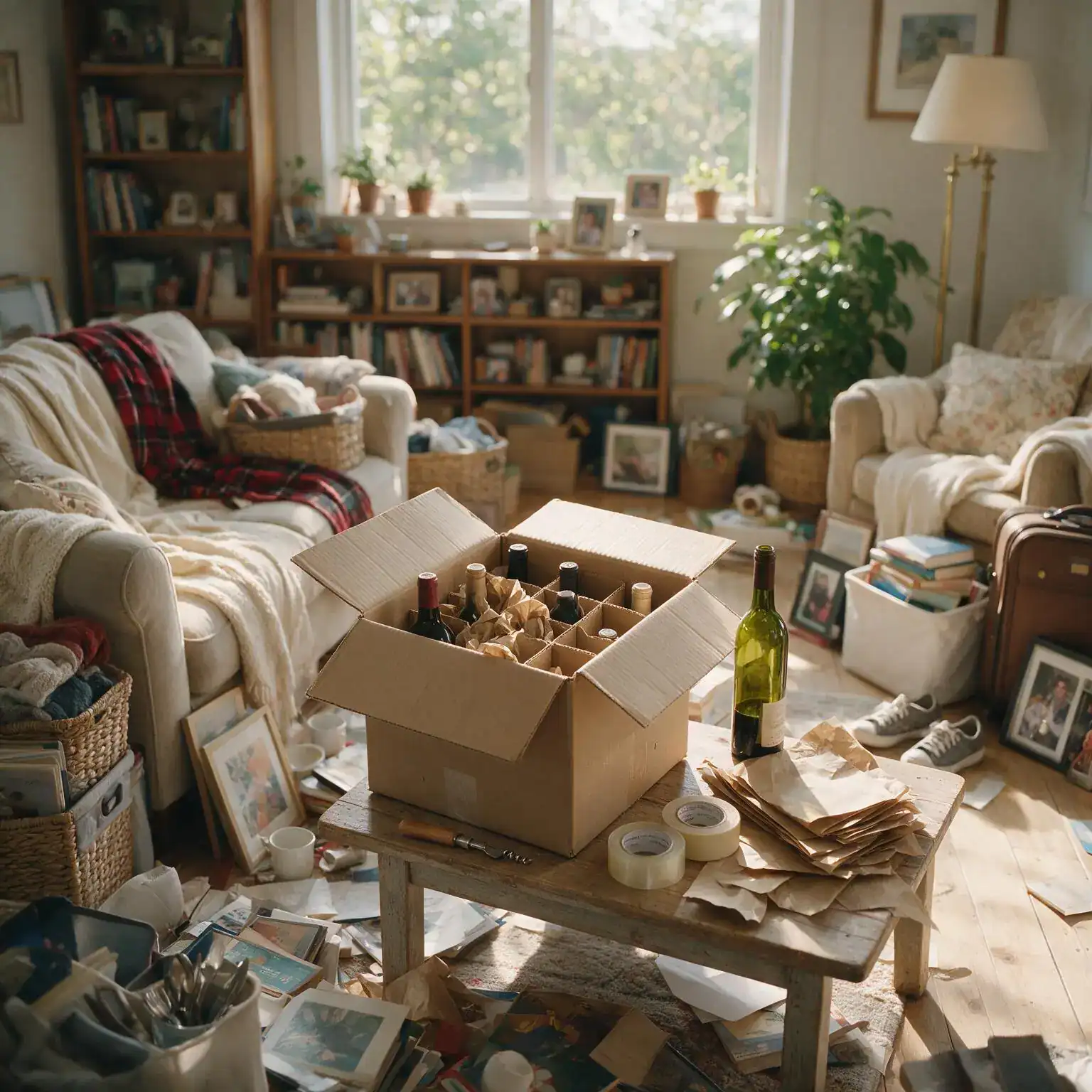
Moving day is over. The truck is gone, the boxes are stacked, and you’re standing in the middle of your new home surrounded by what feels like an impossible amount of stuff to sort through. It’s overwhelming — but it doesn’t have to stay that way for long.
Organizing your new home after a move is one of those tasks that rewards having a plan. Without one, you end up living out of boxes for weeks, constantly searching for things you can’t find, and feeling unsettled in a space that should feel like home. With a clear approach, you can be fully unpacked, organized, and comfortable in a matter of days.
This guide walks you through exactly how to do it — room by room, priority by priority — so you can settle into your new home quickly and confidently.
If you’re still in the planning stages of your move, our Portland movers can handle the heavy lifting so you arrive at your new home with energy left to focus on getting organized.
Before You Unpack: Set Yourself Up for Success
The biggest mistake people make after a move is diving straight into unpacking without a plan. Opening random boxes and finding places to put things as you go leads to disorganization from the start. Take an hour before you open a single box to do the following.
Do a Walkthrough of the Empty Space
Before furniture is placed and boxes are opened, walk through every room in your new home with fresh eyes. Notice where the natural light falls, where the outlets are, where the traffic flows. This is your one opportunity to see the space completely empty — use it.
Think about:
- Where does it make sense for furniture to go?
- Which rooms need to be functional first?
- Are there any layout changes you want to make before everything is in place?
Prioritize Your Rooms
Not every room needs to be unpacked on day one. Decide which spaces need to be functional first and focus your energy there. A sensible order for most households is:
- Bedroom — you need somewhere to sleep on the first night
- Bathroom — essentials need to be accessible immediately
- Kitchen — getting meals sorted makes everything feel more manageable
- Living areas — comfort and settling in
- Home office — especially important if you work from home
- Storage areas and garage — these can wait until everything else is done
Locate Your First Night Box
Hopefully you packed a first night box before the move — a box or bag containing everything you need for the first 24 hours: toiletries, a change of clothes, phone chargers, basic kitchen items, bedding, and any medications. Find this box first and set it aside before you do anything else.
If you didn’t pack one, take 10 minutes now to pull these essentials out of wherever they landed and put them together in one spot.
Room-by-Room Organizing Guide
Bedroom
The bedroom is your sanctuary and your first priority. Getting a good night’s sleep in your new home makes everything else easier.
Start with the bed. Assemble the bed frame, put on the mattress, and make the bed before unpacking anything else in the room. Knowing you have somewhere to sleep removes a layer of stress immediately.
Unpack clothing strategically. Before filling drawers and closets, think about how you want to organize your clothes in this new space. The new closet may be a different size or layout than your old one — take a moment to plan before you start hanging things up. Group by category: tops together, bottoms together, dresses, workwear, casual wear, and so on.
Set up nightstands last. Once the big items are in place, set up your nightstands with your essentials — lamp, phone charger, any books or items you keep bedside.
Bathroom
Bathrooms are quick to organize because the categories are clear. Get this done early so everyone in the household has what they need.
- Start with daily essentials — soap, toothbrushes, toothpaste, toilet paper, towels
- Check storage before unpacking everything. The new bathroom may have more or less storage than your old one. Assess the cabinet space, under-sink storage, and any shelving before you start placing items.
- Use drawer organizers from day one. It’s far easier to put organizers in place before filling drawers than to reorganize a cluttered drawer later.
- Dispose of expired products rather than moving them to a new cabinet
Kitchen
The kitchen is typically the most time-consuming room to organize after a move, but it’s also the one that makes the biggest difference to daily life when it’s done well.
Clean before you unpack. Wipe down all cabinet shelves, drawers, and countertops before placing anything inside. New homes and freshly painted surfaces can have dust, residue, or odors that you don’t want transferring to your dishes and cookware.
Plan your zones before unpacking. Think about how you use your kitchen and organize accordingly:
- Cooking zone — pots, pans, and cooking utensils near the stove
- Prep zone — knives, cutting boards, and mixing bowls near the main counter space
- Coffee and breakfast zone — mugs, coffee maker, toaster, and cereal near each other
- Baking zone — baking sheets, mixing bowls, and dry ingredients together
- Cleaning zone — dish soap, sponges, and cleaning supplies under the sink
Unpack in this order: everyday dishes and glasses first, then cookware, then small appliances, then pantry items, then specialty items you use less frequently.
Use the top shelves last. Reserve hard-to-reach cabinets for items you rarely use — seasonal serving pieces, specialty appliances, extra stock.
Living Room
The living room is where your home starts to feel like home, but it doesn’t need to be perfect on day one. Focus on the basics first.
Place large furniture before unpacking boxes. Get the sofa, coffee table, TV unit, and bookshelves in their intended positions before you start filling the room with smaller items. It’s much easier to arrange furniture in an empty room than to shuffle it around while stepping over boxes.
Set up the TV and entertainment area early if this is where your household spends downtime — having a functional living space to relax in makes the rest of the unpacking process feel less relentless.
Books and decorative items last. Bookshelves, photo frames, artwork, and decorative objects are the finishing touches. Unpack these after the functional items are in place.
Don’t hang anything on the walls yet. It’s tempting to start making the space feel like home immediately, but wait until furniture is fully arranged before putting holes in the walls. You may want to shift things around once you’ve lived in the space for a day or two.
Home Office
If you work from home, getting your office functional quickly is a priority. An unorganized workspace affects your productivity and your stress levels.
- Set up your desk and monitor first so you have a functional workstation as soon as possible
- Run cables and manage cords before placing everything on the desk — it’s much easier to route cables cleanly before the desk is loaded
- Set up your internet connection early — this often takes longer than expected and may require a technician visit, so don’t leave it until the last minute
- Organize supplies by frequency of use — daily items on the desk surface or in the top drawer, less-used items in lower drawers or on shelves
Kids’ Rooms
For households with children, getting kids’ rooms set up quickly helps everyone adjust to the new home faster. Children feel more settled when their personal space feels familiar.
- Set up beds first, just like in your own bedroom
- Let kids help organize their own spaces where age-appropriate — it gives them ownership over the new space and helps them feel at home
- Unpack toys and books early — familiar items make a new room feel less foreign
- Label storage bins and shelves clearly so the organizational system is easy for kids to maintain
Garage and Storage Areas
The garage and storage areas are where organizational systems go to die if you’re not intentional from the start. Don’t just unload boxes into the garage to deal with later — you’ll be living with that chaos for months.
- Sort before storing — don’t move clutter into a new space. If something came off the moving truck and you’re not sure why you kept it, now is the time to donate or dispose of it.
- Group by category — garden tools together, sports equipment together, seasonal items together
- Use vertical space — wall-mounted shelving and pegboards maximize garage storage without eating up floor space
- Label everything — even boxes in storage areas should be clearly labeled on multiple sides
Organizing Tips That Apply to Every Room
Unpack One Room at a Time
Resist the urge to flit between rooms. Finish one space completely before moving to the next. This gives you visible progress and prevents the whole home from feeling half-done simultaneously.
Break It Into Sessions
Unpacking an entire home in a single day leads to burnout and poor decisions about where things go. Plan to spend two to three focused sessions per day — morning and afternoon, for example — with breaks in between.
Donate as You Go
As you unpack, you’ll inevitably find items that don’t suit the new space, duplicates you don’t need, or things you simply don’t want anymore. Keep a donation box in a central location and add to it as you go. Drop it off at the end of each day rather than letting it pile up.
Don’t Buy Storage Until You Know What You Need
It’s tempting to run to the container store the moment you move in, but resist. Live in the space for a week before buying organizational products. You’ll have a much clearer picture of what you actually need once you’ve experienced how the space functions in real life.
Take Photos of Cable Setups
Before packing away entertainment systems and home office setups, photograph all the cable connections. Use these photos when setting up in the new home — it saves enormous amounts of time and frustration.
How Professional Movers Make Organizing Easier
The easier your move-in process, the easier your organizing process. When professional movers handle the heavy lifting, placement, and logistics, you arrive in your new home with energy and mental bandwidth to focus on getting organized rather than recovering from the physical toll of moving day.
Our moving services include careful placement of furniture in the rooms you specify — so when the movers leave, your large items are already where you want them and you can move straight into unpacking and organizing.
For apartment moves with tight hallways, elevators, and limited parking, our apartment movers handle the logistics so you can focus on settling in from the moment you arrive.
Quick Checklist: Organizing Your New Home After a Move
- [ ] Do a walkthrough before unpacking anything
- [ ] Locate your first night box
- [ ] Prioritize rooms: bedroom → bathroom → kitchen → living areas → office → storage
- [ ] Assemble and make the bed first
- [ ] Clean cabinets and shelves before placing items inside
- [ ] Plan kitchen zones before unpacking
- [ ] Place large furniture before unpacking boxes in each room
- [ ] Unpack one room completely before moving to the next
- [ ] Keep a donation box running throughout the process
- [ ] Wait to buy storage products until you’ve lived in the space
- [ ] Leave wall art and decor until furniture is finalized
Final Thoughts
Getting organized after a move doesn’t happen all at once — and it doesn’t need to. What matters is having a plan, starting with the right priorities, and working through the home methodically rather than randomly.
Start with where you sleep and where you eat. Get those two spaces functional and the rest of the home will follow in good time. Give yourself grace during the process — settling into a new home takes a few weeks, and that’s completely normal.
When you’re ready to plan your next move in the Portland area, our Portland movers are here to make the whole process — from packing day to move-in day — as smooth and stress-free as possible.