Moving is stressful on its own, but nothing brings more anxiety than opening a box labeled “Kitchen—Fragile” only to find shattered plates, cracked bowls, or your grandmother’s glassware in pieces. Most DIY movers make the common mistake of packing dishes as if they were stacking them in a cupboard—horizontally and with minimal padding. But in 2026, there’s a better way. Known among professional residential movers as the “Record Player Method,” this technique has revolutionized how we approach packing fragile items. Whether you’re relocating across town or to an entirely new city, understanding how to pack dishes for moving safely can mean the difference between heartache and peace of mind.
This definitive 2026 guide provides expert-based, step-by-step insights on packing plates for moving, the best way to pack glassware, and kitchen-specific strategies. Whether you’re dealing with heirloom china, a basic IKEA set, or specialized glassware, the following kitchen packing tips for moving ensure that your dishes arrive safely. Learning from the experiences of both professional movers and homeowners who’ve moved countless times can help you avoid costly mistakes and unexpected breakages during your transition.
Why Dishes Break During Moves
Understanding why dishes break is the first step in preventing it. The most common causes include:
- Incorrect stacking: Horizontal stacking creates pressure and friction during transport.
- Insufficient padding: Using old newspapers or thin towels doesn’t provide adequate cushioning.
- Poor box selection: Thin-walled boxes collapse or allow too much internal movement.
Additional causes include overpacking a single box, which makes it too heavy and prone to being dropped, and using damaged or previously used boxes that have lost their structural support. Moisture exposure or weakened cardboard integrity are also often overlooked factors that contribute to breakage in transit. Addressing these issues with modern techniques can drastically reduce breakage and make unpacking less of a gamble.
The Best Materials for Packing Dishes
If you’re serious about saving your dishes from destruction, stop improvising with whatever paper and boxes you have on hand. Here’s what professionals use today:
- Double-walled dish boxes: These provide extra structural integrity.
- Packing paper: Clean, ink-free, and versatile for wrapping and padding.
- Bubble wrap: Excellent for added shock absorption.
- Dish dividers: Ideal for organizing and separating glassware and plates.
- Tape and markers: Essential for sealing and labeling boxes accordingly.
Additionally, consider foam sleeves for plates and bowls. Foam sleeves slip over individual items and reduce friction damage. Corrugated liners can also be placed between layers for extra support. Investing in the right materials ensures that you’re not cutting corners where it matters most.
The Record Player Method: Vertical is the New Horizontal
One of the most crucial upgrades to kitchen moving in 2026 is the “Record Player Method.”
What is it? It means packing plates vertically, like records in a crate, rather than stacking them flat in a pile.
Why does this work? Plates are strongest along their edge. Packed vertically with padding between each item, they’re less likely to crack or shatter during sudden movements. This method applies to glassware, bowls, and platters too.
It’s worth noting that this method not only reduces breakage but also makes organizing and unpacking much easier. When you open the box, your dishes can be quickly sorted and placed into cabinets or drawers in the same format. It’s cleaner, quicker, and more efficient.
Step-by-Step Guide: How to Pack Dishes for Moving the Right Way
- Choose the Right Box: Always go for a double-walled dish box. Avoid large boxes to ensure the weight is manageable. Reinforce the bottom of each box with an extra layer of tape in an H-pattern for added strength.
- Create a Cushioning Base: Add at least two inches of crumpled packing paper at the bottom of the box to absorb impact. You can also use foam sheets or padded inserts for additional comfort.
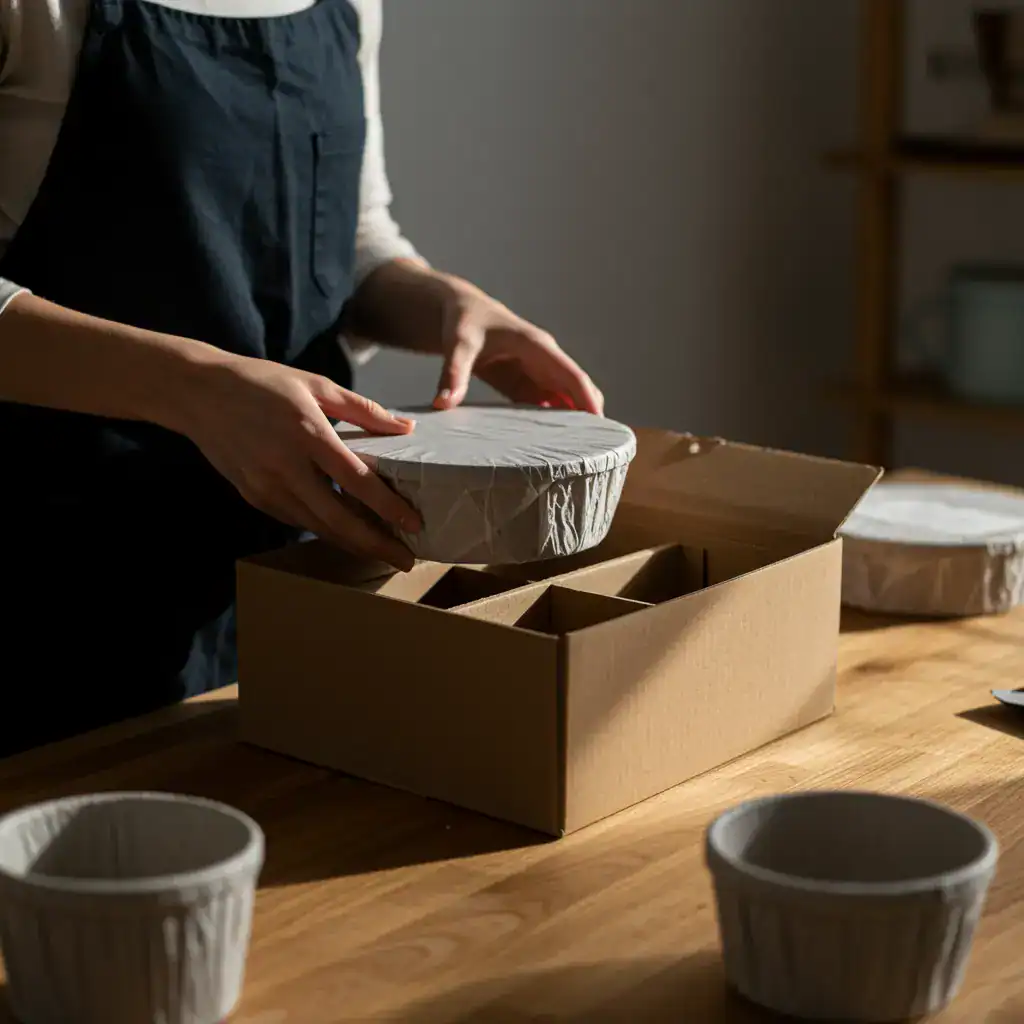
- Wrap Each Dish Individually: Use two or three sheets of packing paper per item. Wrap tightly and use tape only if needed. Avoid overusing tape, as it can make dishes harder to unwrap later.
- Pack Plates Vertically: Insert plates on edge, adding crumpled paper between each one. Fill any gaps with more paper to prevent shifting. Always test the snugness before sealing the box.
- Use Dividers for Glassware: For glasses and stemware, use box dividers and wrap each piece with packing paper and bubble wrap. Place the heaviest glasses at the bottom and the lightest at the top.
- Layer Strategically: Create layers with cushioning between each dish group. For example, after a layer of plates, add crumpled paper before adding bowls or smaller items. Allow at least one inch of padding between layers.
- Top Cushioning is Essential: Fill the top two inches of the box with soft materials like towels or another layer of crumpled paper. This prevents the upper contents from pressing directly on the last row of items.
- Seal and Label Clearly: Tape box seams securely and label with “Fragile – Kitchen – This Side Up.” Write in large, bold letters and consider drawing arrows to indicate orientation.
How to Pack Glassware the Right Way
One of the most nerve-wracking parts of packing fragile items for a move is handling glassware. Here’s the best way to pack glassware to minimize headaches:
- Use specialty boxes with glass dividers and wrap each glass with packing paper, plus a layer of bubble wrap around the rim and stem.
- Fill inside the glass with paper to maintain structural integrity during transport.
- Don’t pack stemware tightly. Pressure can cause the stems to break if something shifts.
Take extra caution with collectibles or crystal stemware, which are more delicate than typical drinking glasses. Wrap each item individually, stuff paper even in the narrowest spaces, and avoid stacking anything on top of the glassware box, regardless of how sealed it appears.
Kitchen Packing Tips for Moving in 2026
In addition to dishes and glassware, your kitchen includes awkward or fragile items that also require special care.
Secure Mixing Bowls, Pans, and Ceramic Bakeware
Wrap the heaviest ceramic items first and place them at the bottom of the box. Any glass lids or attachments should be packed separately with plenty of protection. If items can nest inside each other, do so, but place paper or bubble wrap between them to prevent friction or bumping.
Appliances and Electronics
Retain and use original packaging if possible. Wrap cords securely and stuff any moving parts with padding to prevent internal damage. Remove batteries and detach accessories before packing. This minimizes risk and ensures each part is cushioned where it belongs.
Getting Professional Help: Redefyne Moving Packing Services
If you’re overwhelmed, services like Redefyne Moving packing services can offer peace of mind. Their professional movers are trained in the latest 2026 methods for packing fragile items using best practices outlined in this guide. Consider them if time or stress is a factor in your move.
Not only can they save you time and effort, but they can also provide insurance-backed coverage in case of accidents. With a trusted service, your most valuable kitchenware will travel safely and efficiently, giving you one less thing to worry about on moving day.
Conclusion
By now, you should feel confident in how to pack dishes for moving in 2026 using tried-and-true techniques that professionals swear by. The key is preparation, quality materials, and packing smart—not fast. Vertical stacking, proper padding, and sturdy boxes can save your glassware, and ultimately, your sanity.
Whether you’re tackling the kitchen yourself or enlisting help from Redefyne Moving packing services, remember that your dishes aren’t just things—many are memories waiting to be unwrapped in your new home, whole and unbroken. Taking a little extra time now to pack intelligently means you can relax knowing that everything you cherish will arrive safely intact and ready for your next chapter.