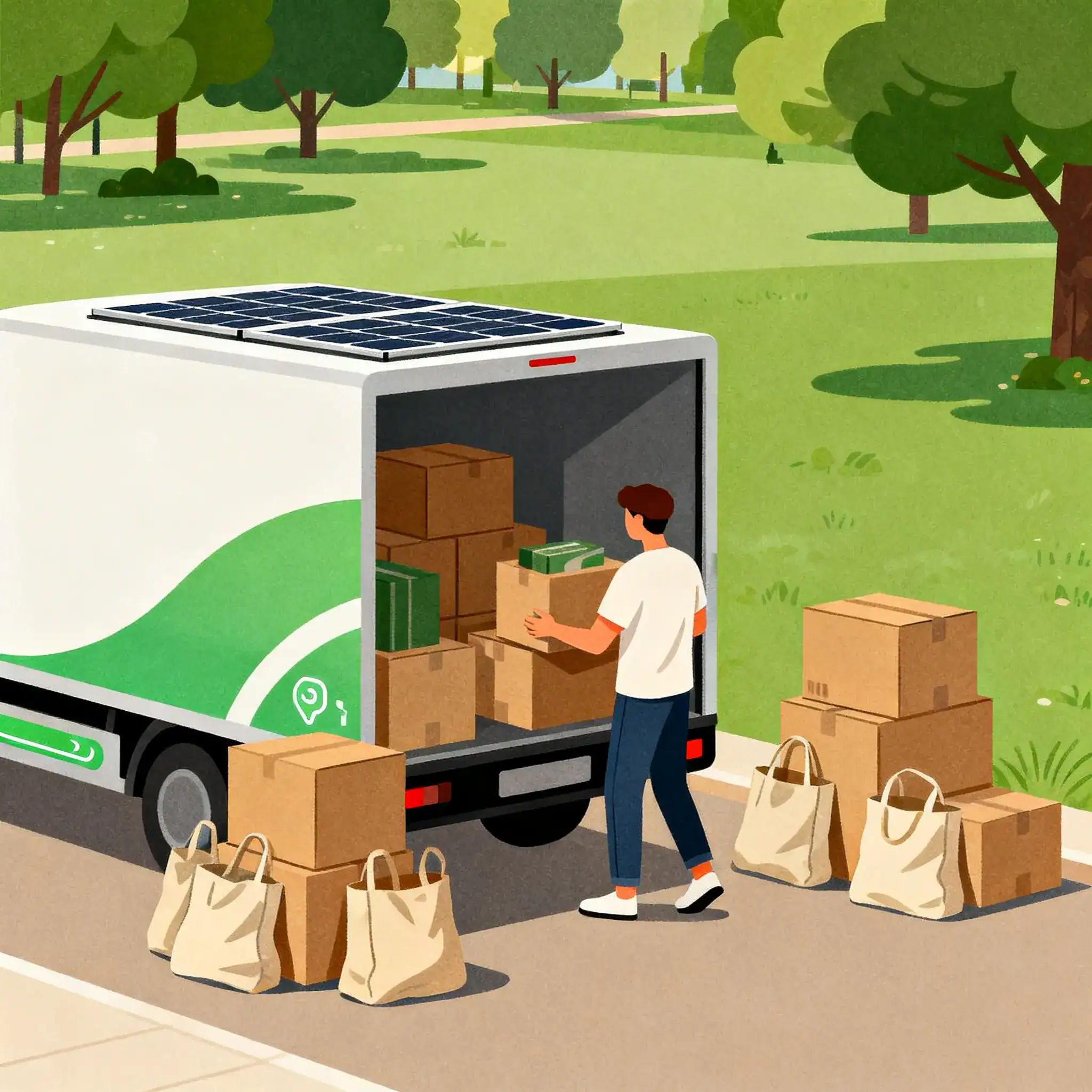
Planning a move in Portland is not just about getting your belongings from point A to point B. In a city known for its bike lanes, farmers markets, and strong recycling culture, it is natural to want your move to reflect the same values. The good news is that with the right strategy, you can cut waste, lower emissions, and still enjoy a smooth, low-stress relocation. This guide focuses on practical, eco-friendly moving tips Portland residents can use to align a move with the city’s eco-conscious mindset.
Whether you are relocating from the Pearl District to Sellwood or making a bigger leap from out of state, there are many ways to minimize your environmental footprint. From reusing packing materials and downsizing responsibly to choosing environmentally friendly movers Portland residents can rely on, you have more options than ever to keep your move green. We will also talk about how a professional team of Portland movers can support a low-waste strategy without adding stress or complexity.
This article walks you step by step through low-waste moving tips for Portland moves, tailored to the city’s recycling rules, donation options, and green lifestyle. By the end, you will have a clear, actionable plan for a sustainable move in Portland, Oregon, from day-one planning through move-in day and beyond.
What Makes a Move Eco-Friendly in Portland?
An eco-friendly move in Portland focuses on reducing waste, reusing materials, and cutting emissions wherever possible. It is not about being perfect; it is about making better choices at each stage of the process. In a city where compost bins are standard and repair cafés pop up in neighborhood community centers, small moves toward sustainability add up quickly.
Key elements of a sustainable move
When planning sustainable moving Portland Oregon, residents typically look at three main areas:
- Waste reduction: Limiting single-use packing supplies, avoiding unnecessary purchases, and keeping usable items out of the landfill.
- Transportation impact: Consolidating trips, optimizing routes, and choosing environmentally friendly movers Portland residents can trust to handle logistics efficiently.
- Responsible disposal: Donating, recycling, and rehoming what you do not move instead of simply tossing it in the trash.
Because Portland already has robust recycling, composting, and donation infrastructures, it is an ideal city for experimenting with greener, more intentional moving strategies.
Step 1: Start With a Green Moving Plan
The most powerful eco-friendly moving tips Portland movers share start long before moving day. Give yourself enough lead time to make thoughtful decisions instead of last-minute, high-waste choices.
Set sustainability goals for your move
Before you pack a single box, write down a few clear goals. For example:
- Use at least 80% reused or recyclable packing materials.
- Donate or sell a minimum of five boxes of items instead of throwing them out.
- Work with a green moving company in Portland Oregon or a moving team that supports low-waste practices.
These targets give you a roadmap for decision-making and make it easier to hold yourself accountable when things get busy.
Build a realistic timeline
A sustainable move takes planning. Create a simple schedule that starts at least four to six weeks before moving day. Include time for:
- Sorting and decluttering each room separately.
- Listing items for sale or giveaway.
- Collecting reusable boxes and packing supplies from local sources.
- Booking your preferred Portland movers before their calendar fills up, especially in peak seasons.
The more structure you add upfront, the less likely you are to panic-buy new cardboard or toss usable items simply to save time.
Step 2: Declutter the Portland Way—Low Waste, High Impact
Decluttering is the foundation of low-waste moving tips for Portland moves. Moving fewer items saves fuel, requires fewer packing materials, and reduces the chance that you will end up throwing things out on the other end.
Sort by category, not just by room
Instead of randomly tossing items into boxes, work by category: books, kitchen gadgets, clothing, outdoor gear, and so on. This method helps you see duplicates and make better decisions about what truly deserves a place in your new home.
Choose the most sustainable exit route for every item
For each piece you are not taking with you, ask: “What is the highest-value, lowest-waste way to pass this along?” In Portland, that usually means:
- Sell: Use platforms like local online marketplaces, neighborhood groups, or consignment shops, especially for furniture, bikes, and outdoor gear.
- Donate: Charities, shelters, and reuse centers often welcome gently used household items and clothing.
- Give away: Offer goods to friends, neighbors, or community groups who can make immediate use of them.
- Recycle: Use Portland’s recycling guidelines, plus specialty recyclers for electronics, scrap metal, and textiles.
Only choose the landfill as a last resort. Each item that is reused or properly recycled is one less contribution to waste streams, which aligns perfectly with the idea of sustainable moving Portland Oregon residents are striving to practice.
Step 3: Choose Reusable and Recyclable Packing Materials
Packaging is one of the biggest sources of waste during a move. Fortunately, there are many accessible ways to swap out disposable supplies for greener alternatives, especially in a city with such a strong reuse culture.
Source boxes and containers the sustainable way
Instead of buying brand-new cardboard, consider these options:
- Borrow or rent plastic totes: Reusable crates can be used dozens of times, stack neatly, and protect your belongings well.
- Collect secondhand boxes: Ask at local grocery stores, co-ops, and retail shops, or reach out through neighborhood social groups where people often give away boxes after their own moves.
- Reuse what you already own: Suitcases, duffel bags, storage bins, laundry baskets, and even sturdy reusable shopping bags can double as packing containers.
When you do need new boxes, choose sturdy cardboard that can be reused a few times before it is recycled.
Use household textiles for padding
Instead of purchasing rolls of bubble wrap or foam peanuts, look around your house for soft materials you already own. Effective and sustainable options include:
- Bath and hand towels.
- Blankets, throws, and comforters.
- T-shirts, sweaters, and other soft clothing.
- Cloth napkins and reusable kitchen towels.
Wrap fragile items in these textiles, and you achieve two goals at once: you protect your belongings and you reduce the volume of space your linens will occupy in boxes.
Pick greener fillers and tape
If you still need additional padding, choose post-consumer recycled packing paper over plastic-based materials. When sealing boxes, select recyclable paper tape or high-quality packing tape that you use efficiently, so less goes into the waste stream.
Step 4: Working With Environmentally Friendly Movers in Portland
Partnering with professionals who understand your sustainability goals can make a huge difference. Many environmentally friendly movers Portland residents hire are familiar with low-waste strategies and can adapt their process to support them.
What to ask potential movers
When you interview moving companies, do not hesitate to ask targeted questions about their commitment to sustainability. For example, you might ask:
- Do you offer reusable moving bins or wardrobe boxes?
- How do you minimize single-use plastic and other disposable materials during a move?
- Can you help coordinate donation drop-offs for items I am not keeping?
- What steps do you take to plan efficient routes and reduce fuel usage?
While not every mover will brand itself as a green moving company in Portland Oregon, some teams are still very open to adjusting their standard practices when customers request greener options. Look for flexibility, clear communication, and a willingness to coordinate around your eco-friendly priorities.
How professional Portland movers support low-waste moves
A well-organized moving crew can help you use fewer resources overall. They can:
- Pack efficiently so you need fewer boxes and less padding.
- Load the truck to maximize space, reducing the number of trips.
- Move items carefully so there is less breakage and replacement waste.
- Offer guidance on which items to disassemble or protect with extra care.
Reliable Portland movers can also take stress off your plate, freeing up your attention to focus on eco-friendly decisions about materials, donations, and logistics.
Step 5: Plan Transport With Emissions in Mind
Transportation is a significant part of your move’s carbon footprint. While not every household can eliminate fossil fuels from moving day, you can still make choices that keep impacts lower.
Consolidate trips and optimize routes
To support sustainable moving Portland Oregon, households should think about:
- Minimizing back-and-forth: Avoid multiple small car trips in favor of one or two well-planned truckloads.
- Coordinating errands: Schedule donation drop-offs and recycling center visits along your moving route.
- Leveraging local moves: If you are moving within the same neighborhood or district, use bikes with trailers or cargo bikes for very small loads where feasible.
Even small adjustments like these can reduce total fuel consumption, especially when paired with an organized packing and loading strategy.
Right-size your moving vehicle
Renting a truck that is far larger than your needs can mean extra fuel use. On the other hand, a truck that is too small may force you to make multiple trips. Work with your movers to estimate volume accurately and choose a truck size that allows a single, efficient move whenever possible.
Step 6: Move-In Day and Setting Up a Low-Waste Home
Your eco-friendly strategy should not end when the last box crosses the threshold. The first few days in your new Portland home are the perfect time to reinforce low-waste habits and set systems that will serve you all year.
Unpack with reuse and recycling in mind
As you unpack, separate materials into clear categories:
- Save for reuse: Sturdy boxes, padded mailers, and quality packing paper can be folded and stored flat for future needs or shared with friends about to move.
- Recycle correctly: Flatten cardboard, remove non-recyclable tape if your local guidelines require it, and bundle paper materials appropriately.
- Compost what you can: Some paper-based materials and plant-based packing can go into green bins if they are free of plastic coatings and inks, in line with city rules.
Resist the urge to toss everything just to get it out of sight. A little sorting keeps useful materials in circulation and fits the broader philosophy of eco-friendly moving tips Portland residents are increasingly adopting.
Establish your new home’s green systems early
Within the first week, set up your sustainability infrastructure:
- Position clearly labeled bins for recycling, garbage, and, if applicable, compost.
- Identify nearby donation centers, repair shops, and refill stores.
- Map out local transit, bike routes, and car-share options for everyday transportation.
When you prioritize these systems while the layout of your home is still flexible, you are more likely to maintain low-waste habits long term.
Quick Reference: Low-Waste Moving Tips for Portland Moves
To make this actionable, here is a concise checklist summarizing the most important low-waste moving tips for Portland moves you can use right now.
- Plan ahead: Start at least a month in advance so you can make thoughtful, eco-friendly choices.
- Set goals: Decide how much you want to reuse, recycle, and donate before you begin.
- Declutter responsibly: Sell, donate, or give away items instead of sending them to the landfill.
- Reuse packing supplies: Borrow boxes, rent reusable totes, and use containers you already own.
- Swap plastic padding for textiles: Use towels, clothing, and linens to protect fragile items.
- Work with eco-minded movers: Choose Portland movers who respect your low-waste plan and pack efficiently.
- Optimize transport: Reduce the number of trips and choose the right-size truck for your load.
- Sort unpacking waste: Separate items into reuse, recycle, and landfill categories.
- Set up green systems: Establish recycling, composting, and storage for reusable supplies in your new home.
- Share resources: Pass along boxes and packing materials to others after your move.
Conclusion
Planning a low-waste, eco-friendly move in Portland is absolutely achievable with the right mindset and preparation. By setting clear goals, decluttering in a thoughtful way, reusing materials, and partnering with environmentally friendly movers Portland residents trust, you can significantly reduce the environmental impact of your relocation. Simple choices—like choosing reused boxes over new ones, using your own textiles for padding, and coordinating donation drop-offs—add up quickly, especially in a city that already values sustainability.
As you design your moving plan for 2026, remember that you do not need perfection to make a difference. Each better decision, from the first box you pack to the last item you unpack, contributes to a more sustainable moving culture in the city. If you want professional support for a smooth, low-stress, and low-waste relocation, consider working with experienced Portland movers who can help you put these principles into practice. Your next home can start with a move that reflects the eco-conscious spirit that makes Portland unique.