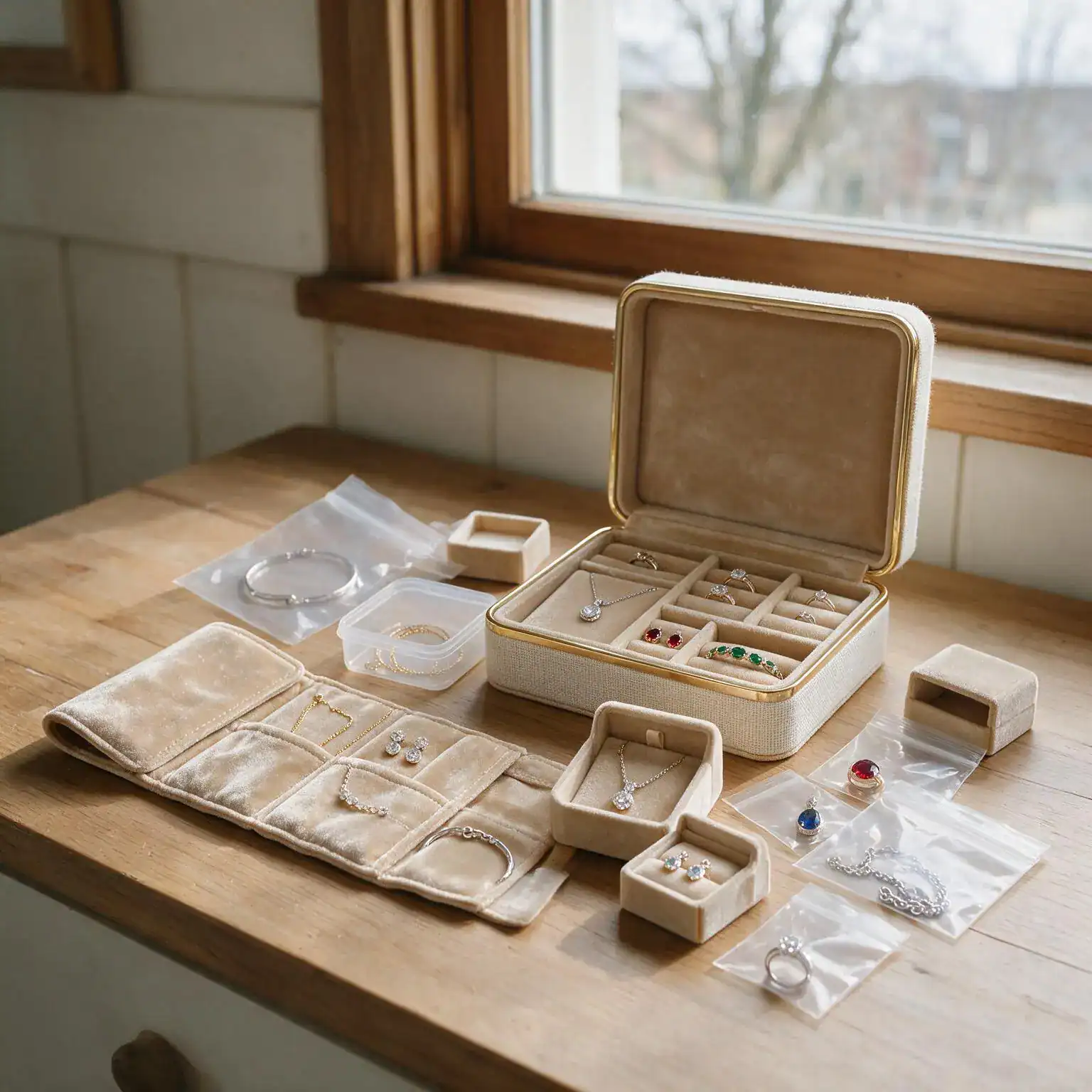
Why Movers Don’t Cover Jewelry the Way They Cover Furniture
Under federal regulations governing interstate movers, any single item valued at more than $100 per pound must be listed on a separate high-value inventory for it to be covered under the mover’s valuation protection, and even then, coverage is calculated by weight rather than actual worth, which makes it a poor fit for something small and valuable like jewelry. Most moving companies’ bills of lading explicitly exclude cash, jewelry, and important documents from liability coverage altogether, whether or not the item is declared. This isn’t a sign of a mover cutting corners. It’s standard across the industry and the reason every moving guide recommends carrying these items personally rather than packing them with the rest of the household goods.
Sorting Before Packing
Separate jewelry and valuables into three groups before a move: everyday pieces that will be worn again immediately, occasional or seasonal pieces that can be packed more securely for transport, and heirloom or high-value pieces that warrant extra documentation and the most secure personal transport method available.
Preventing Tangling and Damage
- Thread necklaces and chains through a plastic drinking straw before closing the clasp, which keeps them from tangling with other pieces during transport.
- Use a pill organizer or an egg carton for earrings and small pieces, keeping pairs together in the same compartment.
- Wrap individual pieces, especially rings and delicate items, in a small square of soft cloth or tissue paper before placing them in a compartment, to prevent scratching against other jewelry.
- Use anti-tarnish strips or anti-tarnish cloth when packing silver jewelry for an extended period, since tarnishing accelerates in a sealed container without airflow.
- A dedicated jewelry roll or travel case, if available, keeps an entire collection organized and compact for personal transport.
Documentation and Insurance
Photograph valuable pieces before the move, ideally with a ruler or coin in frame for scale on anything being appraised, and keep a written inventory separate from the items themselves. This documentation matters most in the rare case of loss or theft, since a mover’s standard valuation coverage will not apply to jewelry regardless of how it was packed. Households with a significant jewelry collection or single high-value pieces should check whether their homeowner’s or renter’s insurance policy covers valuables in transit, since this is often a more relevant form of coverage for jewelry than anything the moving company itself provides.
How to Transport Valuables on Moving Day
Keep jewelry and other small valuables, including cash, passports, and important documents, in a single bag or box that travels with a person rather than in the moving truck, whether the move is local or long-distance. This bag should be the last thing packed and the first thing unpacked, and should stay within sight throughout the move rather than being set down and forgotten in a busy house during loading. For a long-distance move where the truck may be out of sight or in transit for multiple days, personal transport of valuables isn’t just a best practice. It’s often the only way these items are practically protected at all, since the moving truck itself is not equipped or intended to safeguard small high-value items the way it protects furniture.
What to Avoid
- Packing jewelry in a labeled box, even one hidden among other boxes, since an obviously valuable label increases the risk of targeted theft during a move with multiple people in and out of the home.
- Assuming valuation coverage applies to jewelry or cash without checking the bill of lading directly, since most movers exclude these categories regardless of declared value.
- Placing a jewelry box or bag down and losing track of it during a busy loading day, particularly in a home with an open front door and multiple people moving through it.
Frequently Asked Questions
Will my moving company’s insurance cover lost or damaged jewelry?
Generally, no. Most moving companies exclude jewelry, cash, and important documents from valuation coverage, which is why these items should be transported personally rather than in the moving truck.
How should I pack necklaces so they don’t tangle during a move?
Thread each necklace through a plastic drinking straw before closing the clasp. This keeps the chain straight and prevents it from tangling with other pieces in transit.
Should I tell my mover I’m carrying jewelry myself?
It isn’t required, since jewelry generally isn’t part of the shipment’s valuation coverage regardless. Keeping valuables with you rather than mentioning them to the crew is standard practice.
Is it worth getting separate insurance for jewelry during a move?
For a significant collection or high-value individual pieces, checking whether a homeowner’s or renter’s policy covers valuables in transit is worth doing, since a mover’s standard coverage will not apply.