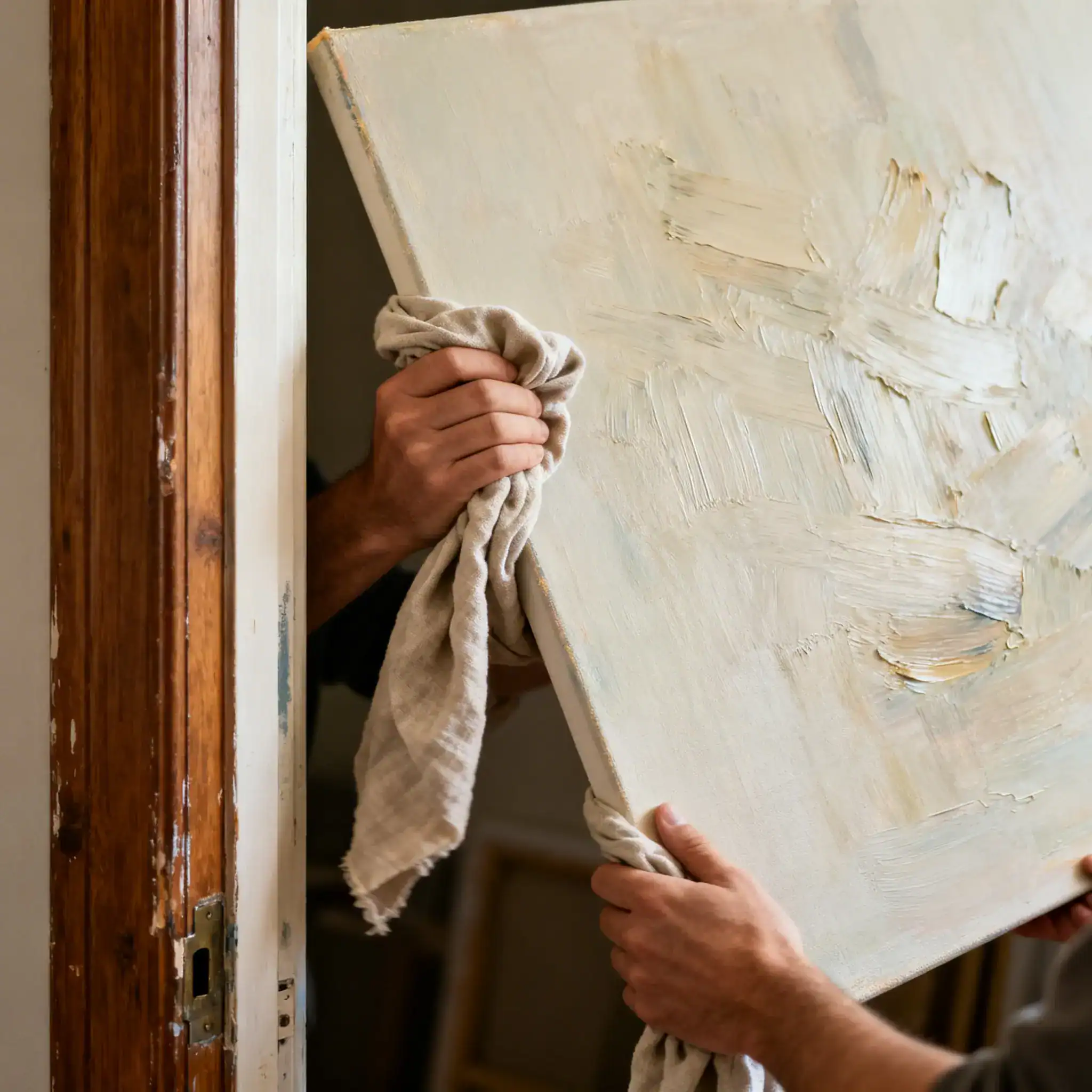
Moving is stressful enough without the added worry of transporting your most prized artwork. Whether you own an original oil painting, a collection of framed prints, or a large canvas piece that has been hanging in your living room for years, getting it from one home to another safely requires more than just wrapping it in a blanket and hoping for the best. Artwork is fragile, often irreplaceable, and surprisingly easy to damage during a move if the right precautions are not taken. This guide walks you through exactly how to pack artwork for moving so that your pieces arrive at your new home in excellent condition.
Why Proper Artwork Packing Matters
Most people do not realize how much can go wrong when transporting art. A canvas can develop pressure dents from being stacked incorrectly. Glass on a framed piece can shatter from a single bump in a moving truck. Prints and photographs can be ruined by moisture, dust, or the oils from newspaper ink if wrapped improperly. Even a small scratch on a frame can significantly diminish both the aesthetic and monetary value of a piece.
The good news is that with the right materials and techniques, packing paintings for moving and transporting all types of framed art is entirely manageable. You do not need to be a professional art handler to do this correctly. You just need to know what to use, how to wrap, and how to load your boxes and truck.
Essential Packing Materials You Will Need
Before you start packing a single piece of artwork, gather all of your supplies. Using the wrong materials is one of the most common and damaging mistakes people make. Here is what you should have on hand:
- Glassine paper: This is a smooth, acid-free, moisture-resistant paper that is specifically designed to protect delicate surfaces. It should always be the first material that touches your artwork directly.
- Bubble wrap: Use it as a secondary layer over the glassine paper to provide cushioning against impact. Always make sure the bubble side faces outward, away from the artwork surface.
- Corner protectors: These foam or cardboard pieces slip over the corners of frames and are essential for preventing corner chips and dings, which are the most common type of frame damage during a move.
- Packing tape: Use this to secure your wrapping layers. Do not apply tape directly to the surface of the artwork or frame.
- Picture boxes or mirror boxes: These are specialty boxes designed specifically for flat artwork. They come in standard sizes or can be purchased as adjustable, telescoping boxes that can be sized to fit your specific pieces.
- Acid-free packing paper: Useful for filling empty space inside boxes to prevent shifting.
- Cardboard sheets: These provide rigid backing support when packing multiple pieces together.
- Packing peanuts or foam padding: For filling the bottom and sides of boxes to add an extra layer of shock absorption.
How to Wrap Artwork Properly
The wrapping process is where most of the protection happens. Follow these steps carefully to ensure each piece is well protected before it goes into a box.
- Start with glassine paper. Lay the artwork face down on a clean, flat surface. Wrap the piece entirely in glassine paper, covering all sides and edges. Secure the paper with tape, being careful not to let the tape touch the frame or the artwork itself.
- Add corner protectors. Before wrapping in bubble wrap, slide foam or cardboard corner protectors onto each corner of the frame. These are critical for preventing the most vulnerable points of the frame from being damaged.
- Wrap in bubble wrap. Wrap the glassine-covered piece in at least two layers of bubble wrap. The bubbles should face outward. Wrap firmly, but not so tightly that you put pressure on the glass or canvas. Secure the bubble wrap with tape.
- For glass-fronted frames, add an extra step. Use painter’s tape to create an X or a grid across the glass before wrapping. This will help hold the glass together if it breaks and prevent shards from scratching or puncturing the artwork beneath.
- Label each wrapped piece. Once wrapped, label the outside with the word \”FRAGILE\” and indicate which side is the front or top. This will help you and your movers handle each piece correctly.
How to Box Your Artwork Safely
Once each piece is wrapped, it is time to place it into boxes for transport. The right boxing method can prevent shifting, crushing, and impact damage.
- Choose the right size box. Use picture or mirror boxes that are only slightly larger than your wrapped artwork. A snug fit reduces movement and keeps each piece stable.
- Cushion the bottom. Line the bottom of the box with foam padding, folded cardboard, or a thick layer of packing peanuts to create a shock-absorbing base.
- Place artwork vertically. Always place framed artwork and canvases on their edges, never flat. Standing pieces vertically reduces the risk of pressure damage and warping.
- Separate multiple pieces. If packing more than one item in a single box, place a flat cardboard sheet between each wrapped piece. This prevents frames and glass from rubbing against each other.
- Fill empty spaces. Use crumpled acid-free packing paper or foam to fill any gaps around the artwork. The goal is to keep the contents from shifting if the box is jostled.
- Seal and label the box. Close the box securely with packing tape. Clearly label it as \”FRAGILE – ARTWORK\” and indicate the upright direction with arrows and the word \”THIS SIDE UP.\”
Loading Artwork Into a Moving Truck
Even perfectly wrapped and boxed artwork can be damaged if it is loaded carelessly. How you place your boxes in the truck matters just as much as how you wrap each piece.
- Keep artwork off the floor when possible. Place artwork boxes on top of sturdy furniture or other stable boxes rather than directly on the truck floor, where they are more likely to be stepped on or crushed.
- Avoid heavy items on top. Never stack heavy boxes, tools, or furniture on top of artwork boxes. Artwork should be at the top of any stack or secured upright along the sides of the truck.
- Secure boxes to prevent shifting. Use straps, ropes, or bungee cords to hold artwork boxes in place. During transit, even a minor shift can cause frames to crack or glass to break.
- Maintain a stable environment. Whenever possible, avoid exposing artwork to extreme temperatures or humidity. If you are moving during very hot or cold weather, limit the time that artwork sits in the truck.
Special Considerations for Different Types of Artwork
Not all artwork is created equal. Some materials and finishes require additional care to ensure they remain in good condition throughout the move.
- Oil paintings and canvases: Never wrap an oil painting in plastic, as it can trap moisture and cause the paint to stick or soften. Use glassine paper and a loose, breathable outer layer instead.
- Unframed prints and photographs: Place these in protective sleeves or between two pieces of acid-free mat board, then wrap in glassine. Store them flat in a rigid portfolio or a shallow box.
- Sculptures and 3D pieces: Wrap delicate protruding parts individually with soft foam or bubble wrap, then wrap the entire piece. Double-box fragile sculptures with padding between the inner and outer boxes for extra protection.
- High-value or irreplaceable artwork: For very valuable pieces, consider custom crates or professional fine-art movers. You may also want to obtain specialized moving insurance that covers the full value of your collection.
Common Mistakes to Avoid When Packing Artwork
Even with the best intentions, a few simple errors can put your artwork at risk. Being aware of these mistakes will help you avoid unnecessary damage.
- Using newspaper as wrapping material: The ink can transfer onto artwork and frames, especially under pressure or in humid conditions.
- Leaving glass unprotected: Skipping painter’s tape or failing to add extra padding around glass-fronted pieces dramatically increases the chance of shattered glass and surface damage.
- Over-tightening wrap: Wrapping too tightly can crack glass, dent canvases, or warp frames. Aim for secure but gently cushioned layers.
- Labeling inconsistently: If boxes are not clearly marked as fragile or do not show which side is up, movers may handle them like ordinary boxes.
When to Call a Professional
While many people can safely pack and move their own artwork, there are situations where hiring a professional is the wiser choice. If you own very large pieces, extremely fragile items, or art with significant financial or sentimental value, a professional art handler or specialized moving company can provide custom crates, climate control, and expert packing methods. This added level of care can offer peace of mind that is well worth the investment.
Ultimately, learning how to pack artwork for moving comes down to preparation, patience, and attention to detail. By using the correct materials, wrapping each piece thoughtfully, and loading your boxes carefully, you can dramatically reduce the risk of scratches, breaks, and other damage. With a well-planned approach, your artwork will arrive at your new home ready to be unwrapped, re-hung, and enjoyed for many years to come.
As you settle into your new space, take your time unpacking and rehanging each piece. Inspect frames, glass, and canvases under good lighting to ensure nothing was missed during the move. Cleaning the glass, dusting frames, and thoughtfully arranging your collection on the walls can help your new house feel like home more quickly. Treat the process as an opportunity to curate your living space in a fresh way, and you may find that your artwork not only survives the move but looks better than ever in its new surroundings.