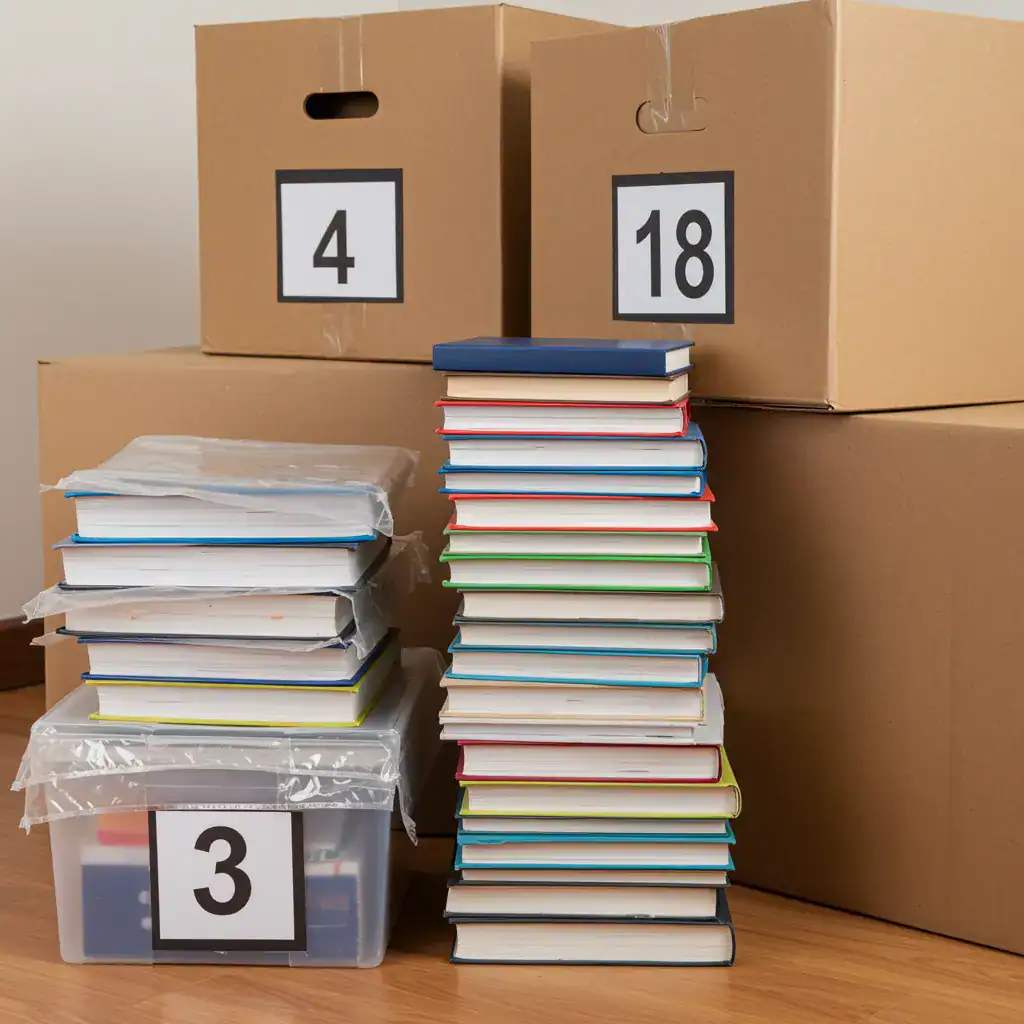
Books are among the most rewarding things to own and among the most frustrating things to move. A personal library that feels perfectly at home on your shelves suddenly becomes a logistical challenge the moment you start thinking about moving day. Books are dense, heavy, and awkwardly shaped when stacked in bulk. Pack them the wrong way and you will end up with crushed spines, torn covers, waterlogged pages, or boxes that literally fall apart under the weight. Pack them the right way and your entire collection arrives at your new home in excellent condition, organized and ready to shelve.
This guide walks you through everything you need to know about how to pack books for moving without damaging them, from choosing the right supplies to labeling your boxes like a professional. Whether you own a modest collection of paperbacks or a prized library of rare first editions, these strategies will protect your books and save your back in the process.
Why Packing Books Correctly Matters More Than You Think
Most people underestimate how heavy books become in large quantities. A single hardcover book might weigh two or three pounds, which feels manageable. But a large box packed with hardcovers can easily exceed sixty or seventy pounds, which is not only a back injury waiting to happen but also enough weight to cause a cardboard box to fail entirely. Dropped boxes mean damaged books, broken spines, and corners bent beyond repair.
Beyond the physical weight issue, books are also surprisingly vulnerable to environmental damage during a move. A move that takes place during rainy weather, or involves books sitting in a storage unit or moving truck for any length of time, creates conditions where moisture can seep in and cause pages to warp, mold to develop, or covers to swell and buckle. Knowing how to protect valuable books when moving means thinking about more than just stacking them neatly.
Gathering the Right Packing Supplies
Before you pack a single book, gather the right materials. Using the wrong supplies is one of the most common mistakes people make, and it almost always leads to damaged books or damaged boxes.
- Small, sturdy boxes: The single most important rule for packing books is to use small boxes. A box measuring approximately 1.5 cubic feet is ideal. Resist the temptation to use large boxes because you think you will save time. Large boxes filled with books will break.
- Packing tape: Use high-quality, wide packing tape. Reinforce the bottom of every book box with at least two strips of tape before loading anything into it.
- Packing paper or newsprint: Use clean, unprinted packing paper to wrap delicate or valuable books. Newsprint can transfer ink to covers, so avoid it for anything valuable.
- Bubble wrap: Reserve this for rare books, antique volumes, or anything with a delicate binding or cover.
- Packing peanuts or crumpled paper: These fill empty space inside boxes and prevent books from shifting during transport.
- Markers and labels: You will need these for labeling every box clearly with its contents and destination room.
Packing Books for a Move Step by Step
Following a clear, methodical process is the best way to move books efficiently and safely. Here is how to approach it from start to finish.
Step 1: Sort and Declutter Before You Pack
Moving is the perfect opportunity to evaluate your collection honestly. Books you have not opened in years, duplicates, textbooks from courses you finished long ago, and titles you know you will never reread are all candidates for donation or sale. Every book you remove from your moving inventory is a book you do not have to pack, carry, load, unload, and shelve. Local libraries, used bookstores, and community organizations often welcome donations. Thinning your collection before you pack saves significant time, money, and physical effort on moving day.
Step 2: Choose the Right Box Size
The best way to move books in boxes is to err on the side of smaller containers. Aim for boxes that are easy to lift with one arm rather than ones that require two people to move. If a box is too large, you will either underfill it and waste space or overfill it and risk tearing the cardboard and injuring yourself. When in doubt, choose a smaller box and pack it well rather than trying to squeeze a few extra books into a larger one.
Before loading any books, inspect each box for weak corners or seams. Reinforce them with extra tape if they look flimsy. It is much easier to add tape to an empty box than to try to fix a bursting box that is already full of books.
Step 3: Prepare and Reinforce Each Box
Assemble your boxes carefully and tape the bottom seams using at least two overlapping strips running perpendicular to each other. For extra-heavy loads, add a third strip along the center seam and one more strip around the outside of the box, forming a band. This simple step dramatically reduces the risk of the bottom opening during the move.
Line the bottom of each box with a layer of crumpled packing paper or a thin sheet of bubble wrap. This cushioning helps absorb impact if boxes are set down roughly and protects book corners and edges from damage.
Step 4: Decide How to Position Your Books
There are three main ways to position books when packing:
- Upright, like on a shelf: This is usually the safest method for hardcovers and trade paperbacks. Place them spine to spine, making sure they fit snugly without bending. If there are gaps, fill them with smaller books or packing paper.
- Flat, stacked in piles: This works well for large coffee-table books, oversized art books, and very heavy volumes. Stack them flat, with the largest and heaviest books at the bottom. Avoid creating stacks so tall that the weight could crush lower books.
- Spine down, pages up: If you need to pack small paperbacks, you can place them with the spine facing down and the pages facing up. This reduces the risk of the covers curling, but do not pack them with the spine facing up, as this can cause the binding to separate.
Whichever method you choose, avoid packing books with the pages or edges facing down directly on the box bottom, as this makes them more vulnerable to bending and tearing.
Step 5: Pack Heavy Books First and Light Books on Top
Always place the heaviest books at the bottom of the box. This creates a stable base and prevents lighter, more delicate books from being crushed. Once the bottom layer is filled, add a second layer of medium-weight books, keeping the spines aligned and the surfaces as flat and level as possible.
Use smaller paperbacks, thin journals, or packing paper to fill any gaps along the sides of the box. Gaps allow books to shift, which can damage the corners and covers. A snug fit is key, but do not force books into spaces where they clearly do not fit; this can bend covers and warp pages.
Step 6: Protect Fragile and Valuable Volumes
Rare books, first editions, signed copies, and volumes with delicate dust jackets deserve special care. Wrap each one individually in packing paper, securing the ends with a small piece of tape that does not touch the book itself. For particularly fragile items, add a layer of bubble wrap over the paper for extra cushioning.
Place wrapped books in the center of the box, away from corners and edges where impact is more likely. Surround them with sturdier books or additional packing material so they cannot move. If a book is truly irreplaceable or extremely valuable, consider transporting it yourself in a personal bag or separate, well-padded box that you can keep with you rather than placing it on the moving truck.
Step 7: Fill Empty Space and Avoid Overpacking
Once your books are in place, gently shake the box. If you hear or feel movement, there is too much empty space. Fill gaps with crumpled paper, lightweight clothing, or towels. The goal is to keep the books from shifting without adding a lot of extra weight.
Stop packing when the box is comfortably full but still easy to lift. A good rule of thumb is that you should be able to pick up the box without straining or needing to set it down immediately. If it feels too heavy, remove a few books and place them in another box. Overpacking is one of the main reasons boxes break and books are damaged.
Step 8: Seal and Label Each Box Clearly
Close the flaps of the box and seal the top with at least one long strip of packing tape running along the central seam, plus shorter strips securing the side flaps. For very heavy boxes, reinforce the top just as you did the bottom.
Label each box on at least two sides and the top. Include the room it should go to (for example, “Living Room – Books” or “Office – Reference Books”) and, if helpful, a brief description such as “Cookbooks,” “Children’s Books,” or “Rare Editions – Fragile.” Clear labeling helps movers know how to handle the box and makes unpacking much faster and less stressful.
Special Considerations for Long-Distance or Storage Moves
If your books will be in transit for an extended period or stored in a unit, think about climate and moisture control. Books do best in cool, dry, stable conditions. Avoid storing them directly on concrete floors, which can transfer moisture. Instead, place boxes on wooden pallets or shelves so air can circulate underneath.
Consider using desiccant packets or moisture absorbers inside boxes destined for long-term storage, especially in humid climates. Make sure all books are completely dry before you pack them; even a small amount of moisture can spread and cause mold. If you notice a musty smell or visible mold, isolate those books and address the issue before packing them with the rest of your collection.
Unpacking and Shelving Your Books Safely
When you arrive at your new home, resist the urge to rush through unpacking your books. Open one box at a time, checking for any signs of damage or moisture. Carefully lift books out rather than dragging them by the spine, especially if they are tightly packed.
As you place books on shelves, distribute the weight evenly. Solid wood or metal shelves are best for heavy collections, while cheap particleboard shelves may sag under the load. Position the tallest and heaviest books on lower shelves, both for stability and to reduce the risk of injury if something falls.
Moving is also a chance to reorganize your collection. You might sort by genre, author, subject, or even color, depending on how you like to find your books. Taking a bit of time to organize as you unpack can make your new space feel settled and functional much more quickly.
Final Thoughts on Moving Books Without Damage
Learning how to pack books for moving without damaging them is mostly a matter of planning, using the right materials, and respecting the weight and fragility of your collection. Small, sturdy boxes; careful positioning; adequate padding; and clear labeling all work together to keep your books safe from the moment you take them off the shelf until the moment you put them back in place.
Whether you are relocating across town or across the country, treating your books with care ensures that the stories, knowledge, and memories they contain make the journey with you. A well-packed library will not only survive the move intact but will also be easier to unpack and enjoy in your new home, letting you settle back into your reading routine with minimal hassle.