Learning how to pack for a move the right way can be the difference between a smooth, stress-managed relocation and a chaotic, exhausting week of scrambling. In 2026, more people than ever are handling at least part of their move themselves, which makes it crucial to understand how to pack for a move room by room, what to pack first, which supplies you truly need, and how to prevent damage along the way. This guide walks you through a practical, step-by-step system designed to help you pack efficiently, protect your belongings, and stay organized from the first box you tape to the last box you unload.
Below, you will find a complete moving packing checklist and what to pack first when moving, along with room-by-room strategies, labeling methods, and an essentials box plan you can actually follow. Whether you are moving across town with local Portland movers or loading your own truck, these packing tips for moving efficiently will help you stay ahead of schedule, protect fragile items, and avoid that dreaded last-minute packing frenzy the night before moving day.
Step 1: Declutter Before You Pack Anything
Efficient packing starts well before you pull out the tape dispenser. Decluttering is the single most powerful way to cut down on stress, costs, and time. The fewer items you own, the fewer boxes you will pack, load, unload, and unpack.
Begin by scheduling at least one decluttering session for each major room: kitchen, living room, bedrooms, bathrooms, and storage areas. Work one small area at a time so you do not get overwhelmed. For example, start with just one closet or one bank of kitchen cabinets rather than the entire room at once.
As you sort, use four basic categories: keep, donate, sell, and trash. Be honest about how often you use each item. If you have not used something in a year and it has no real sentimental value, it probably does not need to make the move with you. Decluttering now does more than save space; it also makes it easier to decide what to pack first when moving, because you will be left only with what you truly want in your new home.
Step 2: Gather Smart Packing Supplies for Moving
Once you have reduced what you own, it is time to gather the right packing supplies for moving and essentials box guide. Having the right materials on hand before you start will keep you from cutting corners later, which is often when items break or boxes get overloaded.
At a minimum, plan to gather:
- Small, medium, and large moving boxes
- Heavy-duty dish packs or double-walled boxes for fragile items
- Wardrobe boxes for hanging clothes
- Packing paper and bubble wrap
- Stretch wrap for furniture and drawers
- Quality packing tape and tape dispensers
- Permanent markers in dark, bold colors
- Labels or colored stickers for room-by-room identification
If you are worried about how to pack boxes for moving without breaking anything, prioritize sturdy boxes and plenty of cushioning materials. Avoid using old, brittle cartons from grocery stores or boxes that have been through several moves already. For delicate items, it is always cheaper to purchase extra packing materials than to replace something broken during transit.
If you decide you want professional help handling the most fragile or time-consuming areas, consider hiring Packing Services from Redefyne Moving: Packing Services. You can still handle the easy rooms yourself while letting professionals wrap, pad, and secure your most valuable belongings.
Step 3: Build Your Moving Packing Checklist
Before you put a single item in a box, create a written or digital moving packing checklist and what to pack first when moving. A checklist prevents missed tasks, helps you track progress, and keeps everyone in your household on the same page.
At a high level, your checklist should include:
- Declutter each room by a specific date
- Order or pick up boxes and supplies
- Pack nonessential decor and off-season items
- Pack storage spaces, basement, and garage
- Pack guest rooms and less-used bedrooms
- Pack books, media, and hobby items
- Pack kitchen items in stages
- Prepare an essentials box for the first 48–72 hours
- Confirm details with your moving company or truck rental
- Final walk-through and last-minute items
Use this checklist to guide your schedule, working backward from your moving date. For example, if you are three weeks out, you might aim to have decor, books, and off-season clothes already packed. One week out, you might shift focus to the kitchen and everyday items you can temporarily live without.
Step 4: Decide What to Pack First When Moving
Many people get stuck at the very beginning, not sure where to start. The most efficient answer to what to pack first when moving is simple: begin with anything you will not need until after the move. These are your non-essentials and rarely used items.
Good candidates include:
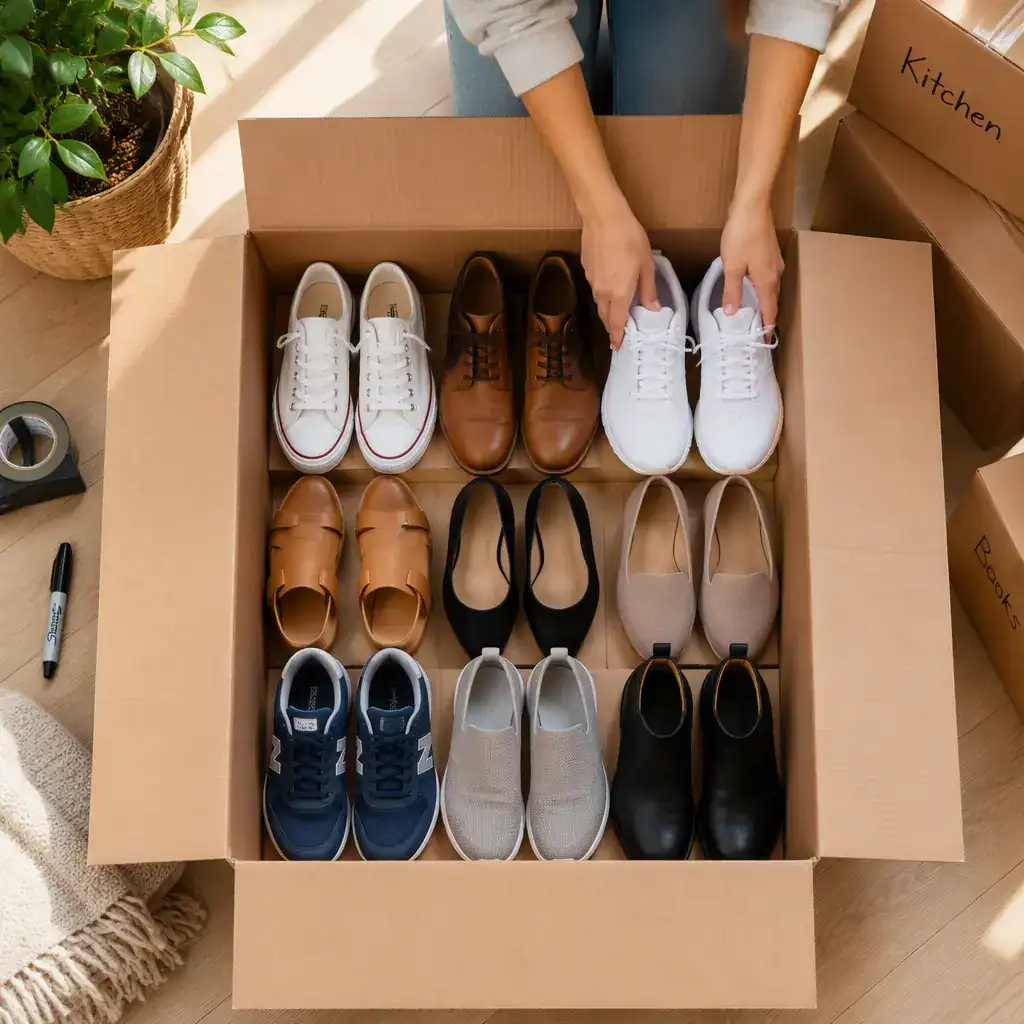
- Off-season clothing, shoes, and outerwear
- Holiday decorations and seasonal decor
- Books, photo albums, and collectibles
- Extra linens, towels, and bedding
- Backup kitchen gadgets and rarely used appliances
- Hobby supplies, sports gear, and camping equipment
Starting with these items builds momentum and sets you up for success. As you get closer to moving day, you will naturally move from non-essentials to daily-use items. This is one of the most effective packing tips for moving efficiently, because it ensures that when the final week arrives, you are not overwhelmed by an entire household left to pack.
Step 5: How to Pack for a Move Room by Room
A room-by-room approach keeps your packing organized and makes unpacking much easier. It also supports better labeling, because each box can clearly state which room it belongs in and what it contains. Below is a practical guide to how to pack for a move room by room, with special attention to protecting fragile items and maintaining order.
Living Room and Family Room
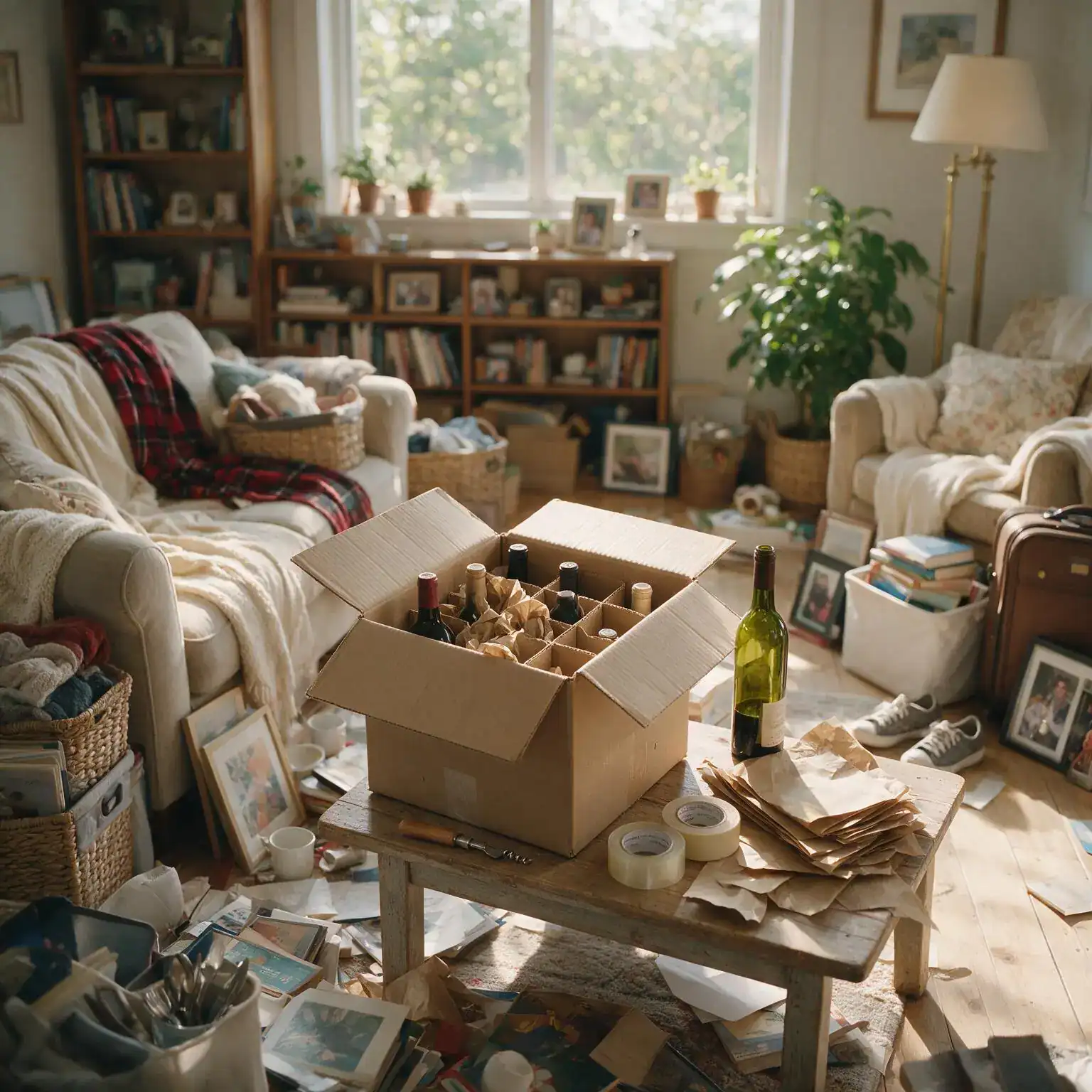
Start by packing items you use less often, such as decorative pieces, knickknacks, framed photos, and artwork. Wrap each piece with packing paper or bubble wrap and place it in a box lined with crumpled paper for cushioning.
For electronics, take photos of the back of your TV, receiver, and gaming consoles before disconnecting cables. This makes reassembly much simpler. Pack remotes, cords, and manuals together in a labeled bag and place it in a clearly marked electronics box.
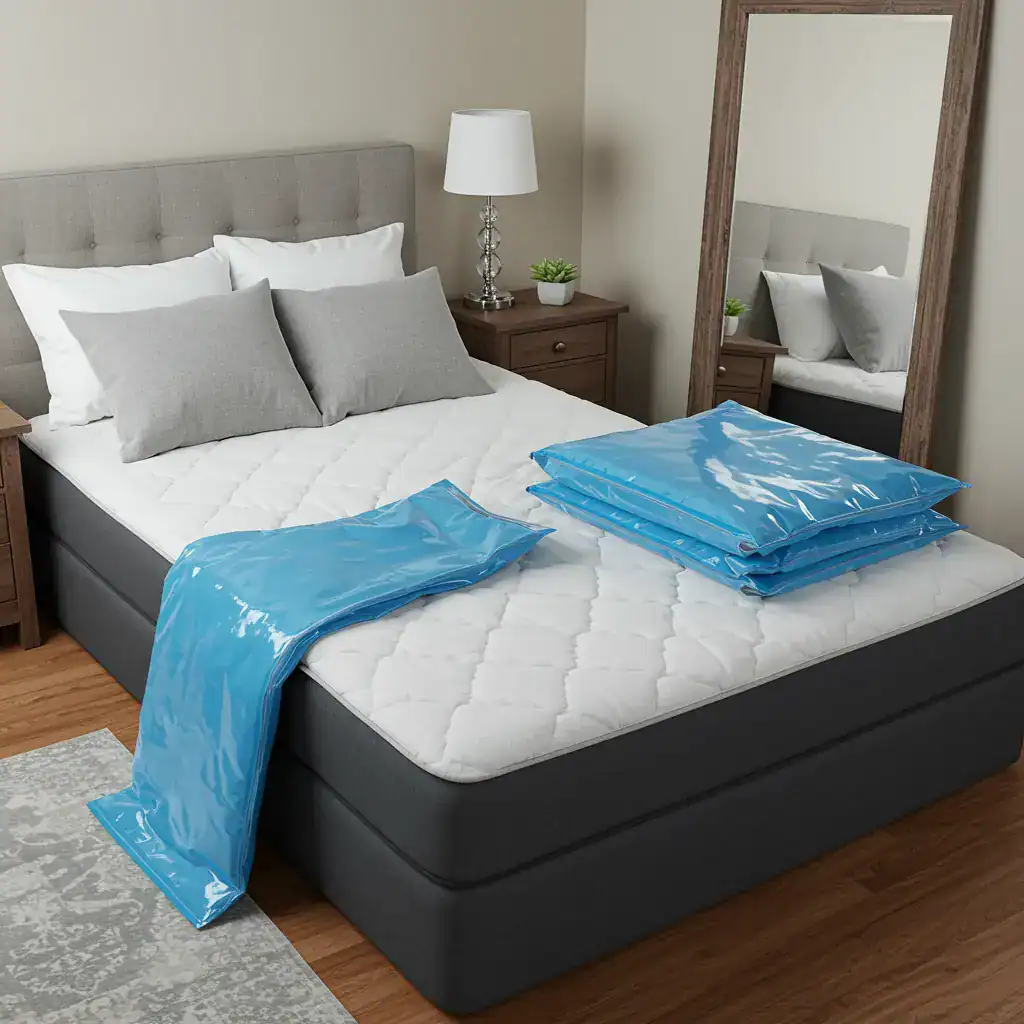
Soft items like throw blankets and pillows can be packed into large boxes or vacuum-sealed bags. Keep box weights reasonable so they are easy to carry, especially if your move involves stairs or a long walk to the truck.
Kitchen and Dining Area
The kitchen is often the most intimidating room because it contains so many fragile and oddly shaped items. To master how to pack boxes for moving without breaking anything, use dish packs or double-walled boxes for dishes, glassware, and stemware. Wrap each piece individually, place heavier items on the bottom, and use plenty of padding between layers.
Follow this order for the kitchen:
- Pack specialty appliances and gadgets you do not use daily, such as slow cookers, stand mixers, or food processors.
- Pack extra dishes, serving platters, and glassware, leaving out only what you need for the final few days.
- Sort your pantry, discarding expired items and packing unopened, nonperishable goods.
- Pack pots, pans, bakeware, and utensils, again leaving just a minimal set for everyday cooking.
Label kitchen boxes very specifically: “Kitchen – Mugs and Glasses,” “Kitchen – Pots and Pans,” or “Kitchen – Baking Supplies.” This lets you prioritize what to unpack first when you reach your new home.
Bedrooms and Closets
In bedrooms, start with items stored under the bed, in the tops of closets, or in dressers you rarely open. Pack out-of-season clothes and shoes first, then move on to everyday wear closer to your move date.
Wardrobe boxes are a huge time-saver. You can move hanging clothes straight from the closet into the box without folding, which helps clothing arrive wrinkle-free and keeps your routine disruption to a minimum.
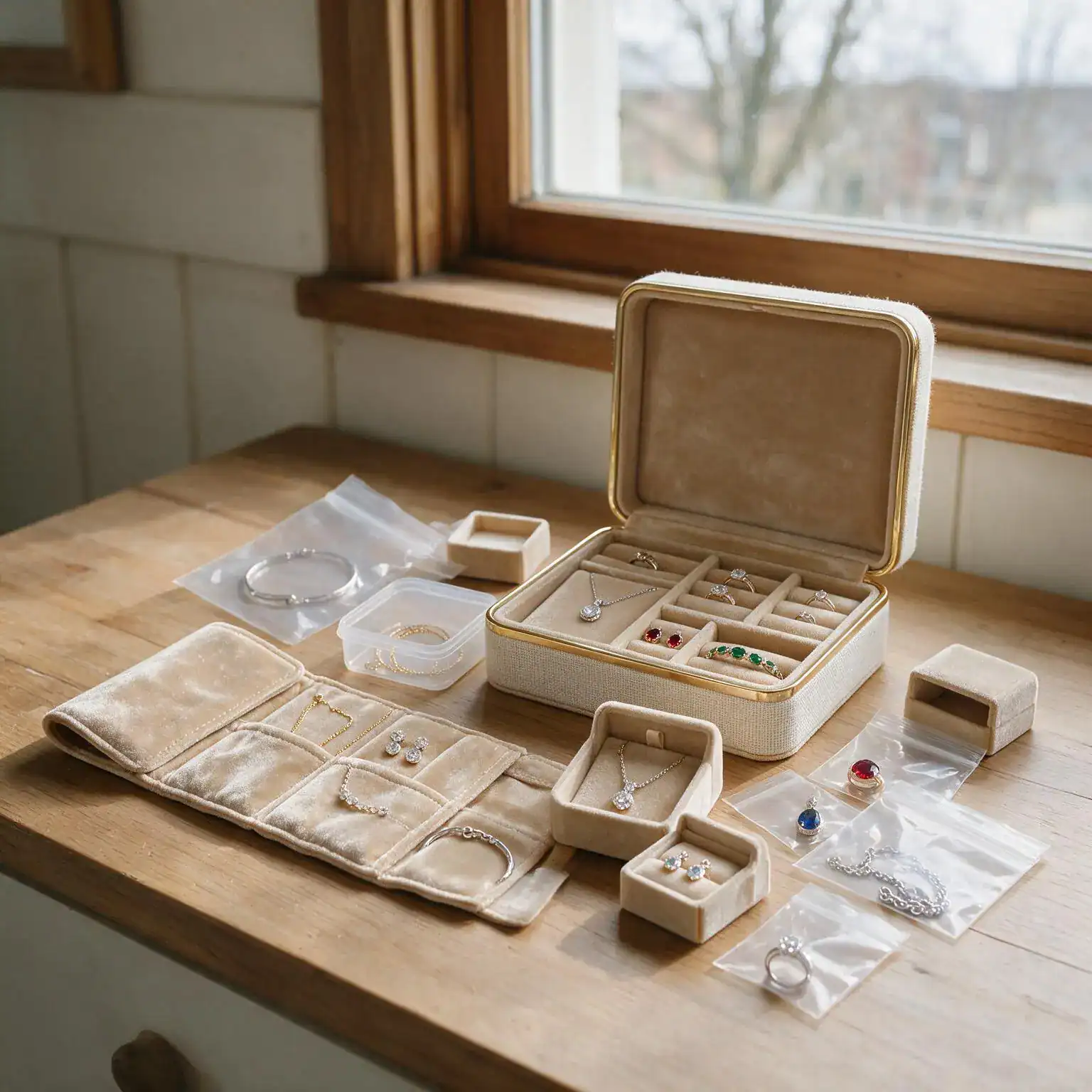
For jewelry and small valuables, use padded boxes or travel organizers, and consider moving them yourself in your personal vehicle rather than placing them on the moving truck.
Bathrooms and Linen Closets
Bathrooms are relatively quick to pack, but they are important because many of their contents will end up in your essentials box. First, sort through medications, cosmetics, and toiletries, discarding anything expired or nearly empty.
Pack backups and extras now, such as spare shampoo bottles or extra soap. Keep a small selection of daily-use toiletries accessible for your final nights in the old home, and then move them directly into your essentials box on moving day.
In the linen closet, pack extra towels, sheets, and blankets early. Leave one set per bed out, which you will pack last and unpack first in your new home.
Home Office and Paperwork
Your home office often contains important documents as well as expensive electronics. When planning how to pack efficiently for a move, treat your office in two categories: critical documents and general supplies.
Keep birth certificates, passports, financial documents, and legal paperwork in a clearly labeled folder or fireproof box that travels with you, not on the moving truck. For office supplies, pack books, files, and decor first, then your equipment closer to moving day. Use original boxes for computers and monitors if possible, or heavily padded boxes if those are no longer available.
Garage, Basement, and Storage Spaces
These areas tend to be cluttered and heavy, so give yourself extra time. Start by safely disposing of items movers cannot transport, such as paints, chemicals, and certain cleaning products. Then sort tools, seasonal gear, and stored boxes.
When packing tools, keep small parts and hardware in labeled bags and tape them securely to the main item if possible. Coil extension cords and hoses neatly and secure them with zip ties. Large, awkward items may simply need to be padded and moved directly, while smaller pieces can go into sturdy, well-labeled cartons.
Step 6: Labeling and Color-Coding Your Boxes
Labeling is where many DIY movers lose time and patience. Clear, consistent labeling can transform your unpacking experience and help your movers or friends know exactly where to place each box.
On at least two sides and the top of each box, write:
- The destination room in your new home
- A brief description of contents
- Whether items are fragile or heavy
To improve your system further, consider color-coding: assign a color to each room and use colored tape or stickers on every corresponding box. Post a simple key at the entrance of your new home so helpers instantly know where each color belongs. This easy step will make you feel like an expert in how to pack efficiently for a move.
Step 7: Create a Smart Essentials Box
An essentials box (or several) is your survival kit for the first 48 to 72 hours in your new home. It should contain everything you need to live comfortably before you fully unpack.
Typical essentials include:
- Basic toiletries and medications
- Change of clothes and sleepwear for each person
- Phone chargers and a power strip
- Paper plates, cups, and disposable utensils
- Simple snacks, coffee, and a few pantry staples
- Bedding and pillows for each bed
- Small toolkit with a screwdriver, tape measure, and utility knife
- Cleaning wipes, trash bags, and basic supplies
Mark these boxes clearly as “OPEN FIRST” and keep them with you if possible. Integrating this essentials plan into your packing supplies for moving and essentials box guide ensures that you will not spend your first night digging through random boxes to find something as simple as a toothbrush or phone charger.
Moving Day Packing Tips and Final Checks
On moving day, a few focused habits can save you significant stress. These moving day packing tips will help you finish strong:
- Pack a last-minute tote. Use a backpack or small duffel for items you are still using the morning of the move, such as keys, wallets, and daily medications, so they do not accidentally end up on the truck.
- Do a room-by-room sweep. After movers finish loading each room, walk through and open every cabinet, closet, and drawer.
- Protect floors and doorways. Use moving blankets or cardboard to keep floors clean and minimize scuffs while boxes are carried out.
- Keep important documents with you. Do not put passports, legal papers, or high-value jewelry into the moving truck.
- Confirm your unloading plan. Review your color-coding and labeling system with your movers so boxes land in the correct rooms from the start.
If you are working with professional Portland movers like Redefyne Moving, communicate your priorities clearly. Share which boxes contain fragile items, which ones you want accessible first, and where you would like furniture placed. Learn more about their local services here: Portland movers.
When to Call in Professional Packing Help
Even when you understand how to pack for a move, sometimes the timeline, the volume of belongings, or the fragility of your items makes hiring professionals the smartest option. If you have a large home, a tight schedule, or many delicate pieces, full or partial Packing Services can save you days of labor and significantly reduce the risk of damage.
Professional crews bring high-quality materials, proven systems, and the experience required to pack entire households quickly. You can choose to have them handle only your most challenging areas, like the kitchen and fragile decor, while you handle clothes, books, and linens yourself. Combining DIY packing with professional support lets you stay involved while still enjoying the benefits of expert help.
Conclusion
Mastering how to pack for a move is less about rushing and more about following a clear, organized plan. By decluttering first, gathering the right supplies, building a realistic checklist, and working room by room, you will naturally apply the best packing tips for moving efficiently. Thoughtful labeling, a well-prepared essentials box, and a few strategic moving day habits round out your strategy so you arrive at your new home calm, prepared, and ready to settle in.
Whether you handle the entire project yourself or bring in Redefyne Moving for professional packing services and reliable Portland movers, this guide gives you a blueprint you can adapt to any home and any timeline. Follow these steps, adjust them to your situation, and you will turn a potentially overwhelming move into a manageable, well-organized transition to your next chapter.