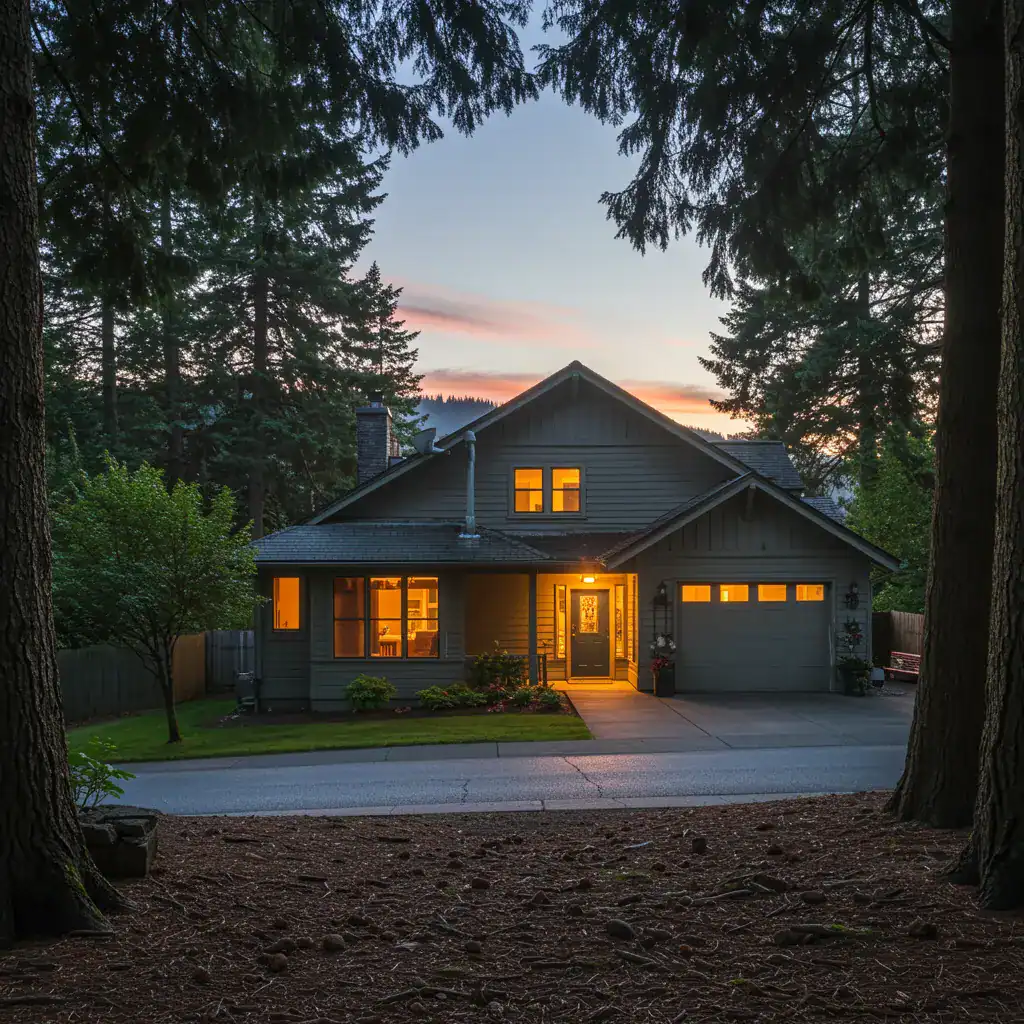
If you are thinking about moving to West Linn, Oregon in 2026, you are not alone. This small, scenic city just south of Portland has become one of the most desirable suburbs in the region, thanks to its river views, strong schools, abundant parks, and tight-knit community feel. But before you pack a single box, you will want a clear picture of what living in West Linn, OR is really like, how much it costs, and which neighborhoods might fit you best.
This comprehensive guide walks you through everything you need to know: a detailed West Linn neighborhoods guide, an honest look at West Linn, Oregon cost of living, commute and transportation options, schools, lifestyle, and how to choose the right West Linn movers for a smooth transition. By the end, you will have a clear answer to the question many people ask first: is West Linn a good place to live in 2026?
Is West Linn a Good Place to Live in 2026?
Yes, West Linn is widely considered one of the best suburbs in the Portland metro area for families, professionals, and anyone who values safety, schools, and access to nature. The city combines small-town charm with big-city convenience, offering quick access to Portland while maintaining a slower, more relaxed lifestyle.
Key reasons people move to West Linn
- Top-rated schools: The West Linn–Wilsonville School District is known regionally for strong academics, competitive athletics, and abundant extracurriculars.
- Safe, residential feel: Crime levels are lower than many surrounding communities, and most areas feel quiet and residential.
- Scenic natural setting: West Linn sits on the Willamette River, with rolling hills, viewpoints, and lush greenery. Parks, trails, and river access are spread throughout town.
- Proximity to Portland: Many residents commute to downtown Portland, Lake Oswego, Tualatin, or Beaverton, balancing professional opportunity with suburban living.
- Strong community identity: From farmers markets and youth sports to city events and local businesses, there is a clear sense of pride and involvement.
Of course, no city is perfect. The biggest trade-offs when living in West Linn, OR are its relatively high housing costs and limited nightlife compared with Portland. If you want walkable urban energy, this may not be your top choice. If you want quiet streets, trees, and great schools, it likely will be.
West Linn Neighborhoods Guide
A detailed West Linn neighborhoods guide is essential before you decide where to land. The city is built into hills and along the river, with distinct pockets that vary in price, home style, and overall feel. Below are some of the most notable areas to explore when you are moving to West Linn, Oregon.
Historic Willamette
Willamette is one of the most charming and walkable parts of West Linn. Centered on a historic main street, it offers local restaurants, coffee shops, small businesses, and easy access to the Willamette River.
- Vibe: Small-town main street meets riverside suburb.
- Housing: A mix of older homes, renovated cottages, and newer infill construction.
- Who it is best for: Buyers and renters who want character, community events, and the ability to walk to cafes and shops.
Sunset and Bolton Areas
Located closer to Oregon City and the I-205 corridor, these neighborhoods combine convenient freeway access with established streets and mature trees.
- Vibe: Quiet, older residential streets with some hilltop views.
- Housing: Mid-century homes, split-levels, and ranches, often on larger lots.
- Who it is best for: Commuters and families who want a traditional suburban neighborhood and relatively easier access to the freeway.
Barrington Heights, Hidden Springs, and Skyline Ridge
These master-planned areas sit in the hills above West Linn, offering upscale homes, cul-de-sacs, and access to trails and green space.
- Vibe: Modern, upscale suburban living with an emphasis on curb appeal and community amenities.
- Housing: Larger single-family homes, many with views, multi-car garages, and landscaped yards.
- Who it is best for: Move-up buyers, larger households, and those who prioritize space and newer construction.
Rosemont and Savanna Oaks
On the higher plateau areas, Rosemont and Savanna Oaks provide a balance of newer developments, parks, and relative proximity to shopping corridors.
- Vibe: Family-oriented, active, and close to schools and fields.
- Housing: Subdivisions with contemporary homes, sidewalks, and community parks.
- Who it is best for: Families with school-aged children and anyone prioritizing access to parks and youth activities.
Marylhurst and Riverfront Pockets
Some of the most scenic West Linn neighborhoods hug the river or sit close to the Marylhurst area near Lake Oswego.
- Vibe: Quiet, scenic, often more exclusive because of location and lot size.
- Housing: Custom homes, townhomes near the river, and higher-end properties with premium views.
- Who it is best for: Professionals and downsizers seeking a beautiful setting and relative privacy.
When you tour different parts of West Linn, pay close attention to street layouts, hills, sun exposure, and proximity to the places you will use daily, like schools, grocery stores, and major commuting routes.
West Linn, Oregon Cost of Living
Understanding West Linn, Oregon cost of living is crucial before you commit to a move. The city is generally more expensive than the national average, especially in terms of housing, but some costs are offset by quality-of-life benefits and access to amenities in the broader metro area.
Housing costs
Housing is the biggest budget factor when moving to West Linn, Oregon. Single-family homes dominate the landscape, and prices reflect the city’s desirability, school district, and limited available land.
- Homebuyers: Expect prices to be above many nearby suburbs, with premium pricing in upscale and river-adjacent neighborhoods.
- Renters: Inventory is more limited than in Portland, with a mix of single-family home rentals and smaller multifamily options. Rents are generally higher than Portland’s average but lower than some ultra-premium enclaves.
If you are moving from a more expensive coastal city, housing costs may feel relatively manageable. If you are coming from a smaller town or lower-cost region, you will likely need to adjust your expectations and budget.
Everyday expenses
Day-to-day costs in West Linn are shaped by its suburban convenience and proximity to major shopping areas.
- Groceries: Prices align with the broader Portland metro, with standard supermarket chains and specialty stores within a short drive.
- Utilities: Utility costs are typical for the region, with weather-related seasonal swings but no extreme highs for most households.
- Transportation: Many residents own cars due to the suburban layout. Gas, insurance, and maintenance should be factored into your monthly budget.
- Dining and entertainment: West Linn itself has a modest but growing restaurant scene. Many residents travel to Lake Oswego or Portland for more variety and nightlife.
Taxes and financial considerations
Oregon has no statewide sales tax, which can be a meaningful benefit if you are relocating from a state with a high sales tax rate. However, state income taxes are higher than in some regions. When you evaluate the overall West Linn, Oregon cost of living, consider how income, housing, and daily expenses combine for your specific situation.
What Living in West Linn, OR Feels Like Day to Day
Beyond numbers and maps, you should understand the lifestyle. Living in West Linn, OR feels suburban, green, and family-centric, with a pace that is calmer than Portland but far from isolated.
Climate and seasons
Expect classic Pacific Northwest weather: mild summers, cool and wet winters, and plenty of greenery. Summer days are often sunny and comfortable, perfect for river activities, hiking, and park visits. Winters bring clouds and rain more than snow, though hilltop neighborhoods may occasionally see light snow or ice.
Parks, recreation, and the outdoors
One of the biggest perks of moving to West Linn, Oregon is immediate access to nature.
- Parks and trails: The city maintains multiple parks, sports fields, and trail systems woven through neighborhoods.
- River access: Boat ramps, viewpoints, and riverside paths give residents easy ways to enjoy the Willamette River.
- Regional recreation: In under two hours, you can reach the Oregon Coast, Mount Hood for snow sports, or the Columbia River Gorge for hiking.
Community and culture
West Linn leans heavily toward community-focused events and family activities. You will find youth sports, school fundraisers, seasonal festivals, and neighborhood gatherings. Many residents are deeply involved in local organizations, churches, or volunteer opportunities, which makes it easier to integrate if you are proactive.
Schools and Education
For many families, the answer to “is West Linn a good place to live?” starts with the schools. The West Linn–Wilsonville School District consistently earns a strong reputation for academics, arts, and athletics.
- Elementary schools: Spread across different neighborhoods, helping keep commute times manageable for younger students.
- Middle and high schools: Offer a range of advanced courses, clubs, and sports programs that attract families to the area.
- Options nearby: Private and alternative schools in Lake Oswego, Portland, and surrounding suburbs expand your choices.
If schools are central to your decision, visit campus websites, tour in person when possible, and speak with current parents to get the most accurate picture for 2026.
Commuting and Transportation
Because West Linn is primarily a residential suburb, most residents rely on cars. However, its location provides several commuting options.
- Highway access: I-205 and Highway 43 offer routes toward Portland, Oregon City, Tualatin, and beyond.
- Public transit: Bus connections link West Linn to nearby transit hubs, though service is less frequent than in central Portland.
- Cycling and walking: Some neighborhoods are walkable to local schools and parks, but the hilly terrain and spread-out layout mean biking is more recreational than purely utilitarian for many residents.
When choosing a neighborhood, map your likely commute at peak times. A few extra minutes on a map can add up to hours each month in real life.
Step-by-Step Plan for Moving to West Linn, Oregon
To make your relocation smoother, follow a structured plan from research to settling in.
- Clarify your priorities. Decide what matters most: schools, commute, housing budget, walkability, or yard size. Rank these before you begin touring homes.
- Study neighborhoods. Use this West Linn neighborhoods guide alongside mapping tools and local resources to shortlist two to four areas that match your lifestyle.
- Visit in person if possible. Spend time driving or walking around at different times of day. Look at traffic, noise levels, and how people use public spaces.
- Set a realistic budget. Incorporate mortgage or rent, utilities, transportation, and the broader West Linn, Oregon cost of living into your numbers.
- Hire experienced West Linn movers. Work with local specialists who know the area’s hills, narrow streets, and building access rules. A reliable choice is West Linn movers from Redefyne Moving, who regularly handle local and long-distance relocations into the city.
- Schedule your move strategically. If you can, plan around school calendars, major holidays, and the region’s rainiest weeks to minimize disruptions.
- Transfer utilities and services. Set up power, water, internet, and waste service before you arrive so your new home is ready from day one.
- Update registrations. Change your address, update your driver’s license, and register to vote in your new city.
- Explore local amenities. After you arrive, visit parks, trails, coffee shops, and community centers to quickly build familiarity.
- Connect with the community. Join neighborhood groups, parent organizations, or local clubs to meet people and learn the rhythms of daily life in West Linn.
Who West Linn Is Best For (And Who It May Not Suit)
When evaluating whether living in West Linn, OR is the right move, it helps to be honest about your preferences and lifestyle.
West Linn is a strong fit if you:
- Value quiet, residential streets and abundant green space.
- Want access to highly regarded public schools.
- Are comfortable driving for most errands and commutes.
- Prefer a community that feels close-knit and family-oriented.
- Are willing to pay a premium in housing for overall quality of life.
West Linn may not be ideal if you:
- Want nightlife, dense urban energy, and a broad mix of late-night venues right outside your door.
- Need extensive public transit options for daily commuting.
- Are on a very tight housing budget and cannot stretch to local price points.
- Prefer flat, highly walkable grid-style neighborhoods over hillside streets and cul-de-sacs.
Final Thoughts: Is Moving to West Linn, Oregon Right for You?
Putting it all together, moving to West Linn, Oregon in 2026 makes sense for people who want a safe, scenic suburb with strong schools, established neighborhoods, and ready access to the broader Portland metro. The city’s hills, trees, and riverside views give it a unique character, while its neighborhoods offer options ranging from historic charm to modern luxury.
If you have been asking, “is West Linn a good place to live?” the answer for many families and professionals is a clear yes, provided the higher housing costs fit your budget and you are comfortable with a predominantly car-based lifestyle. Use this guide as a starting point, spend time in the neighborhoods that interest you most, and lean on experienced West Linn movers to handle the logistics while you focus on choosing the right home and community.
With thoughtful planning and realistic expectations, your 2026 move to West Linn can be the beginning of a long, rewarding chapter in one of the Portland area’s most desirable places to call home.